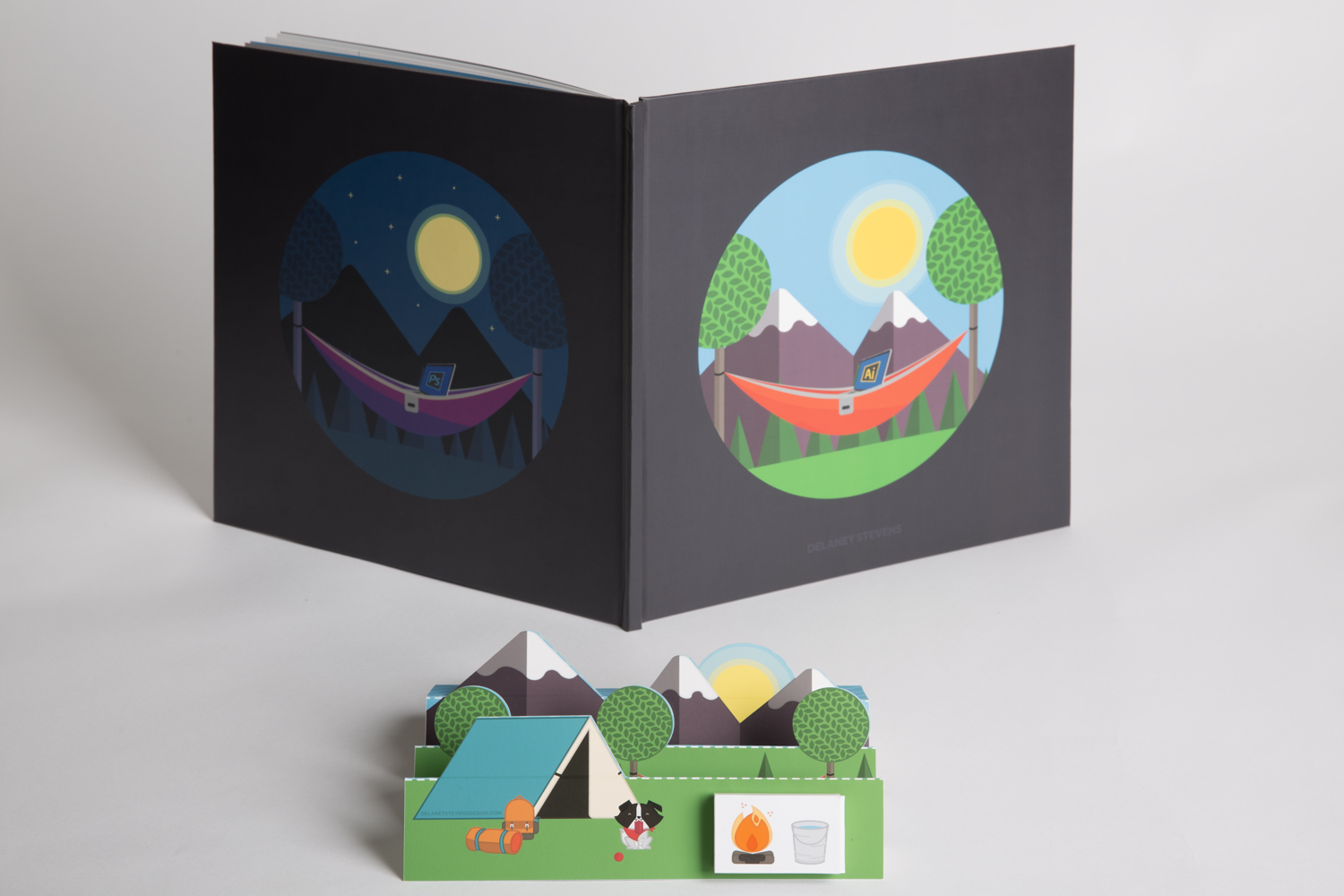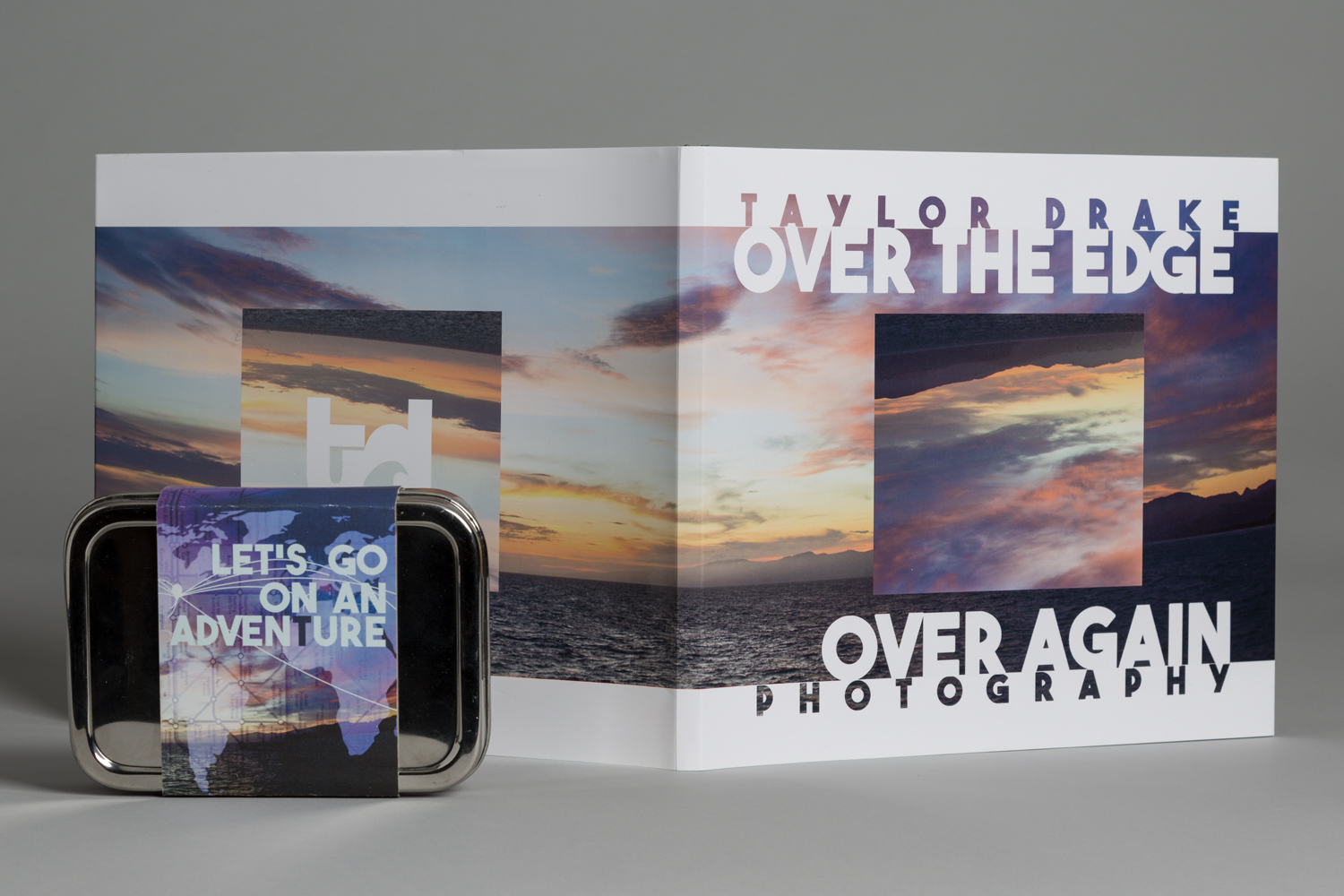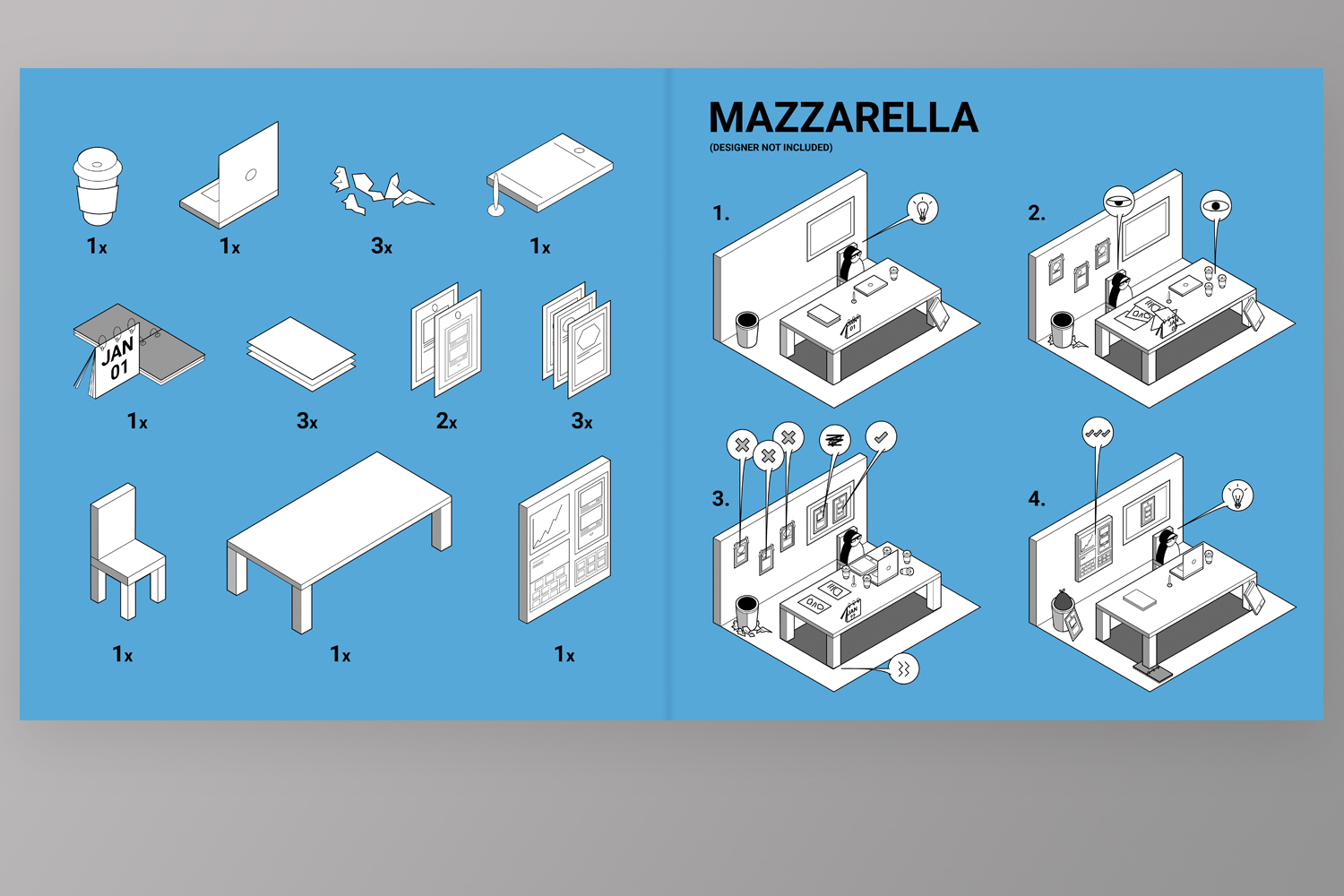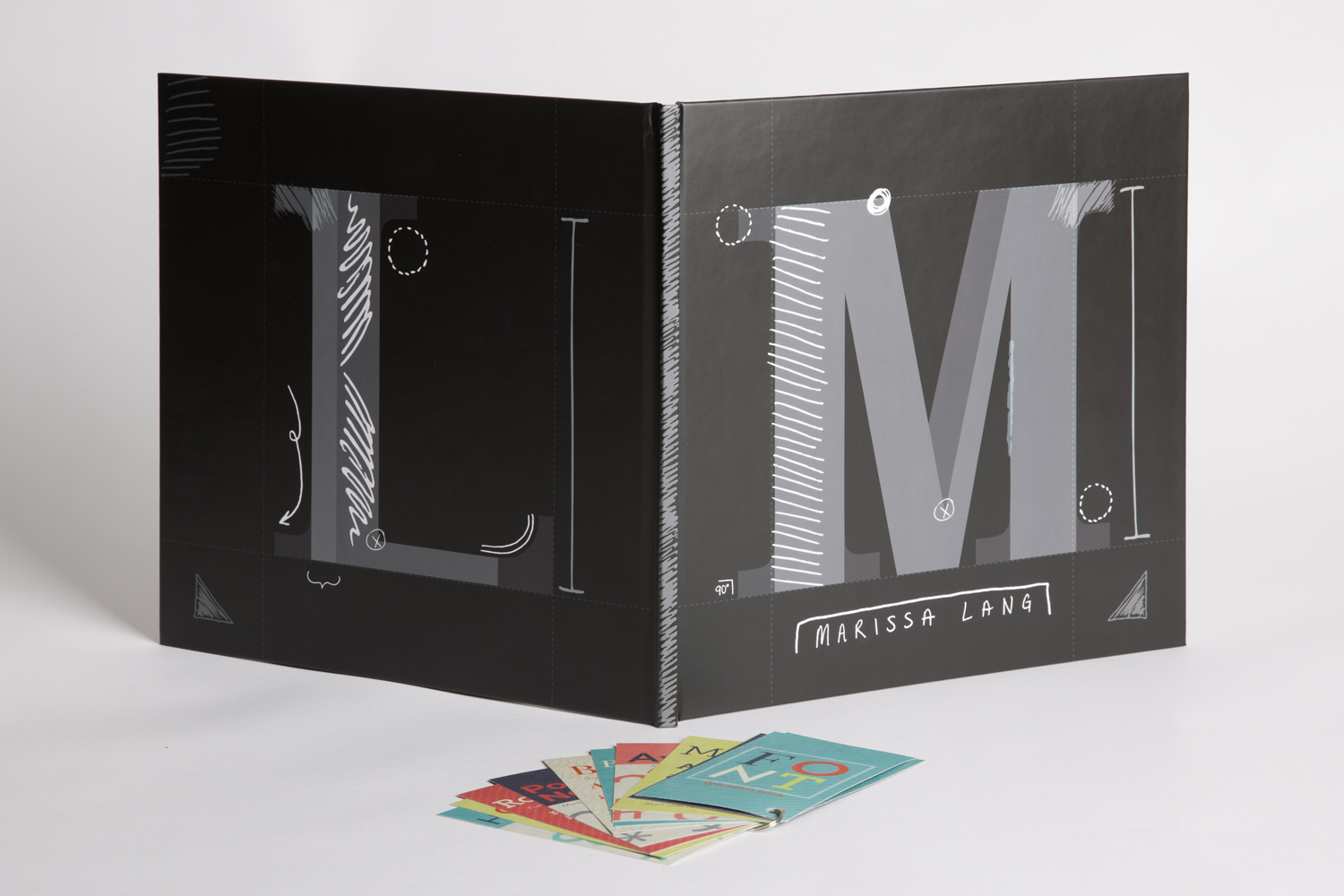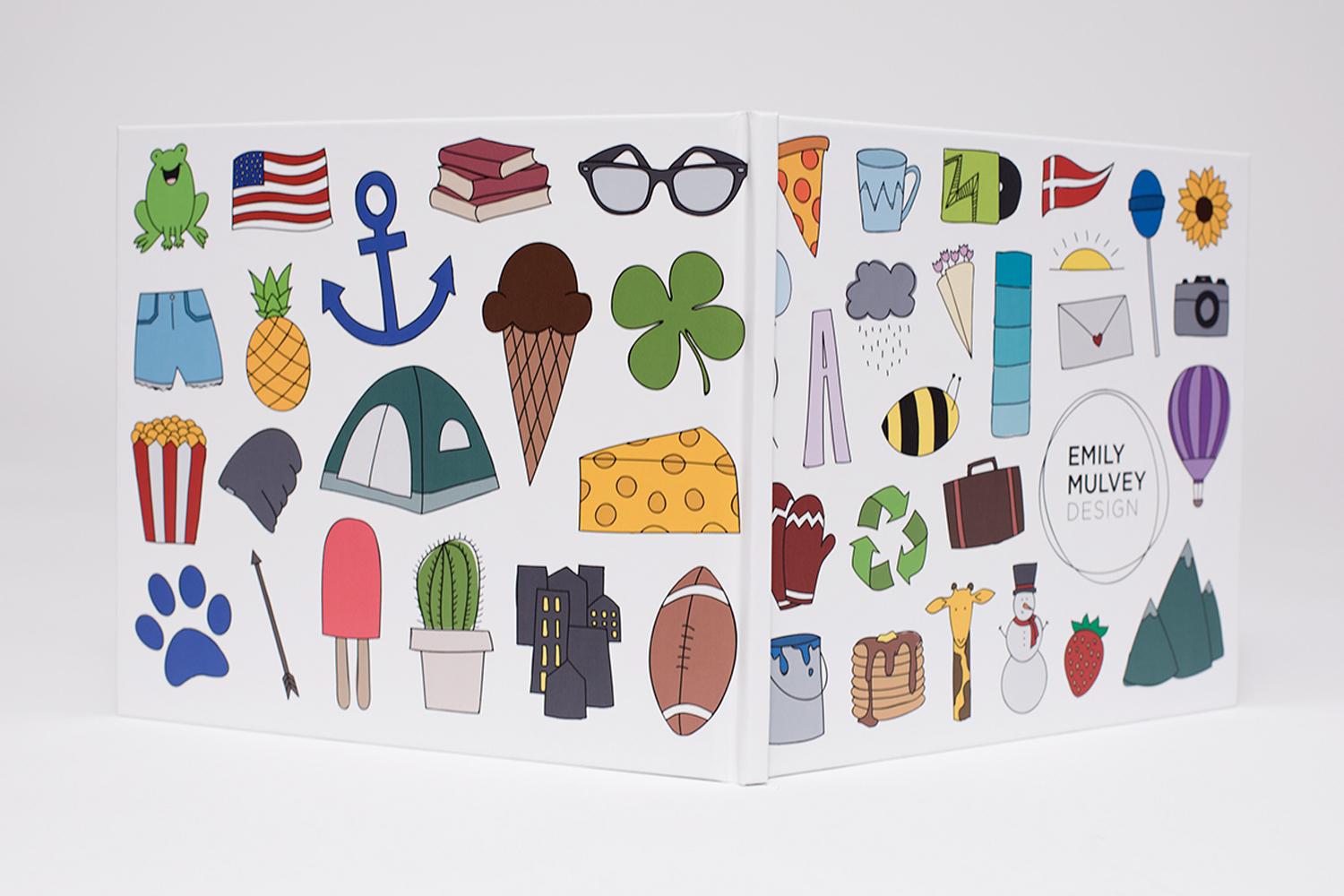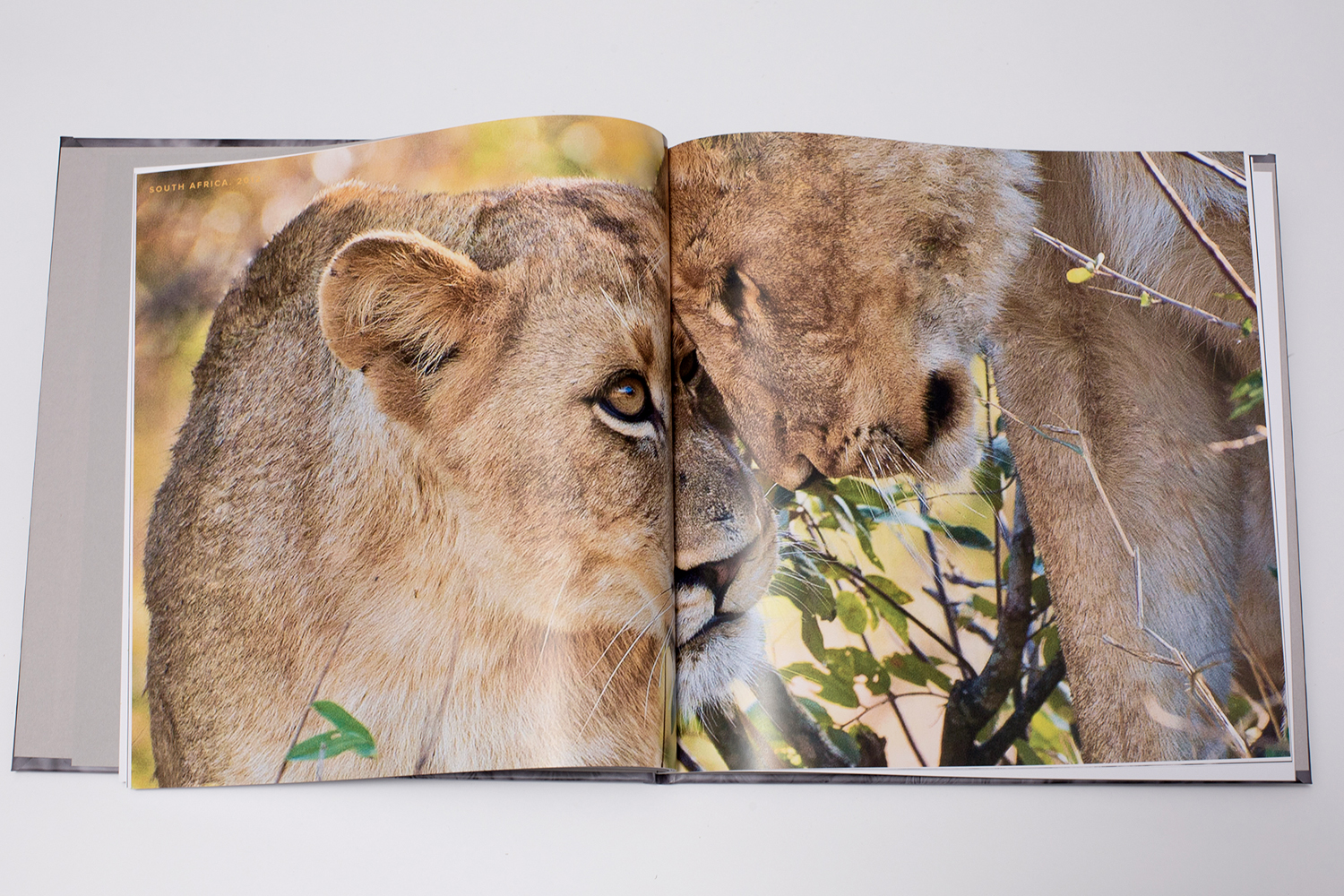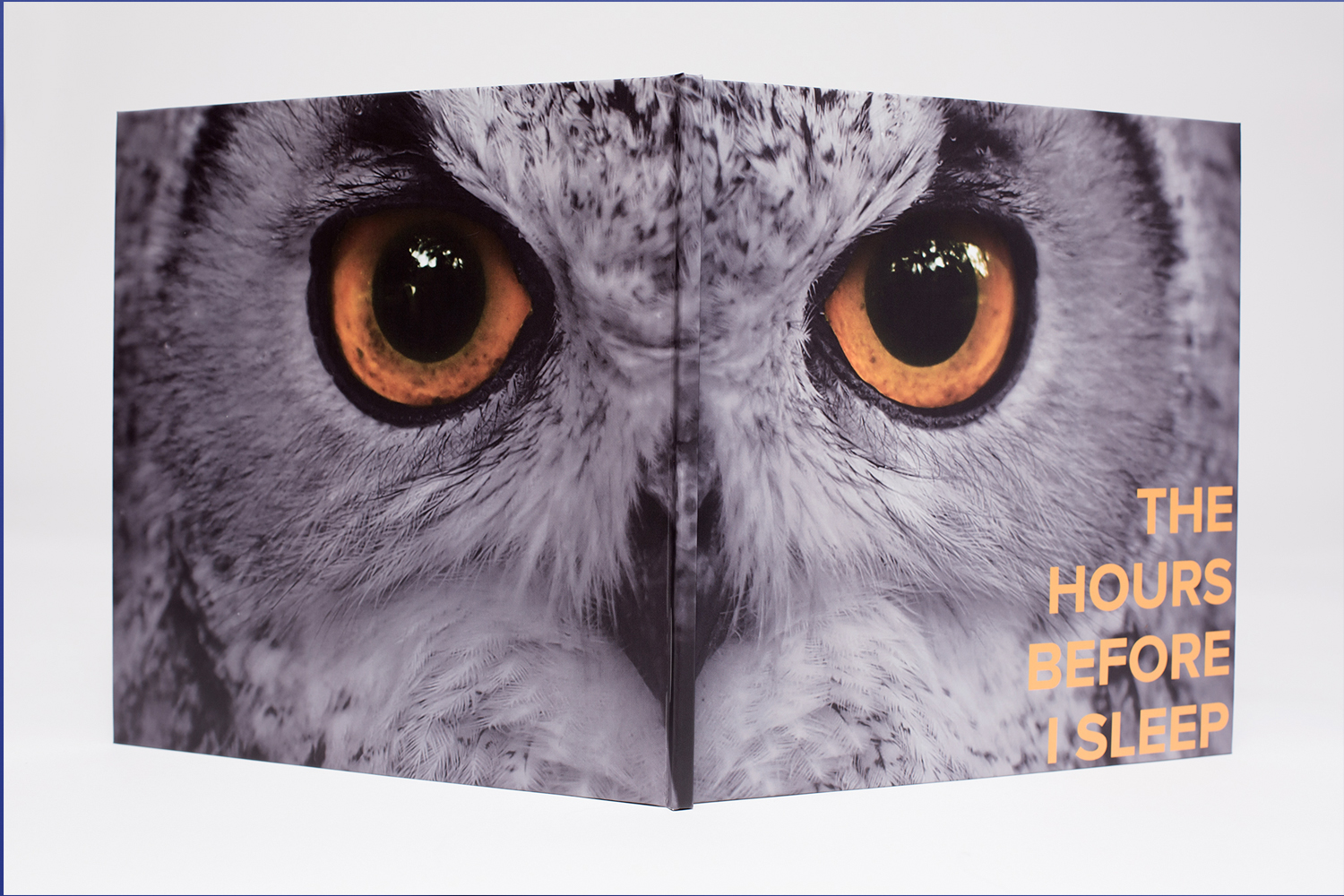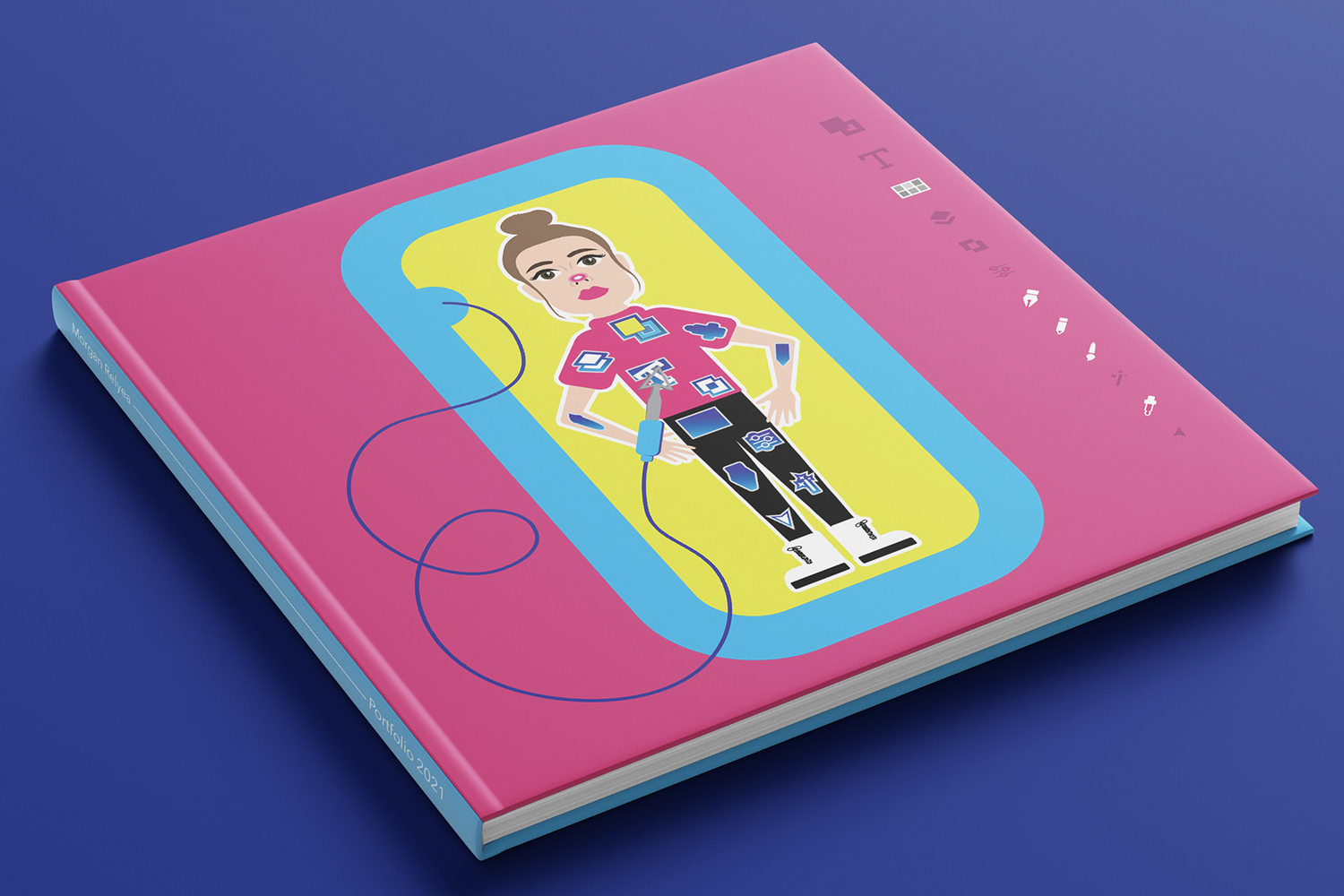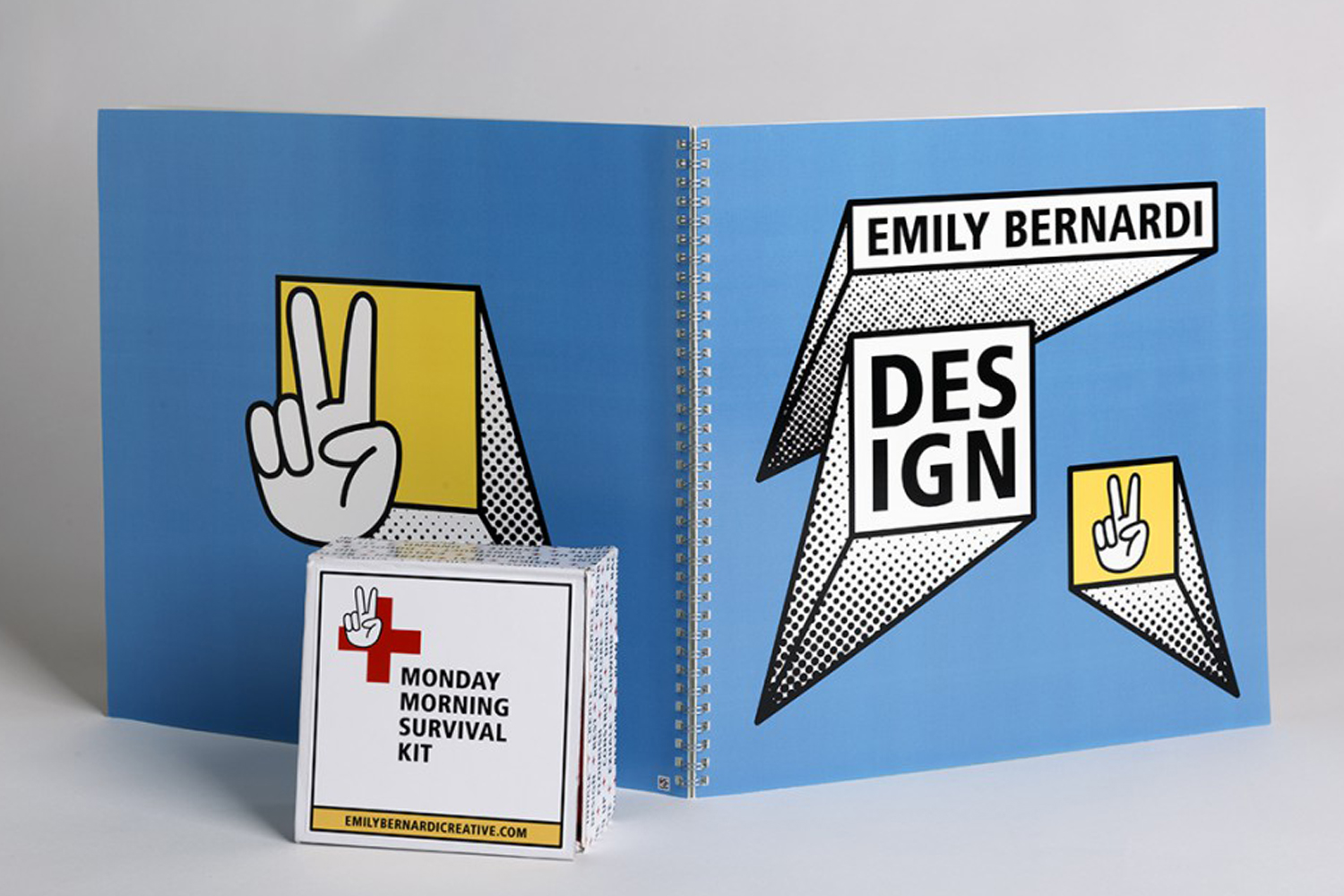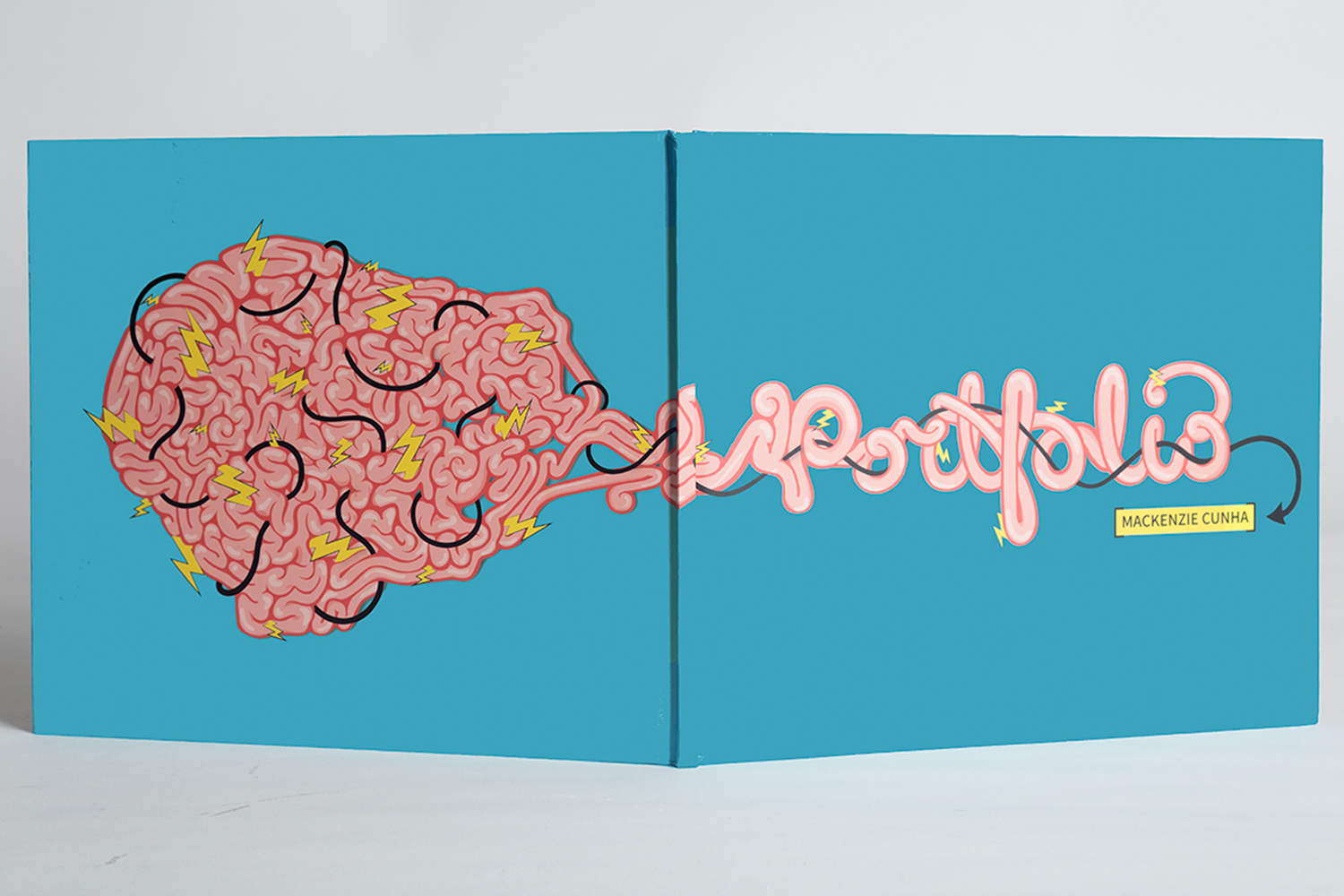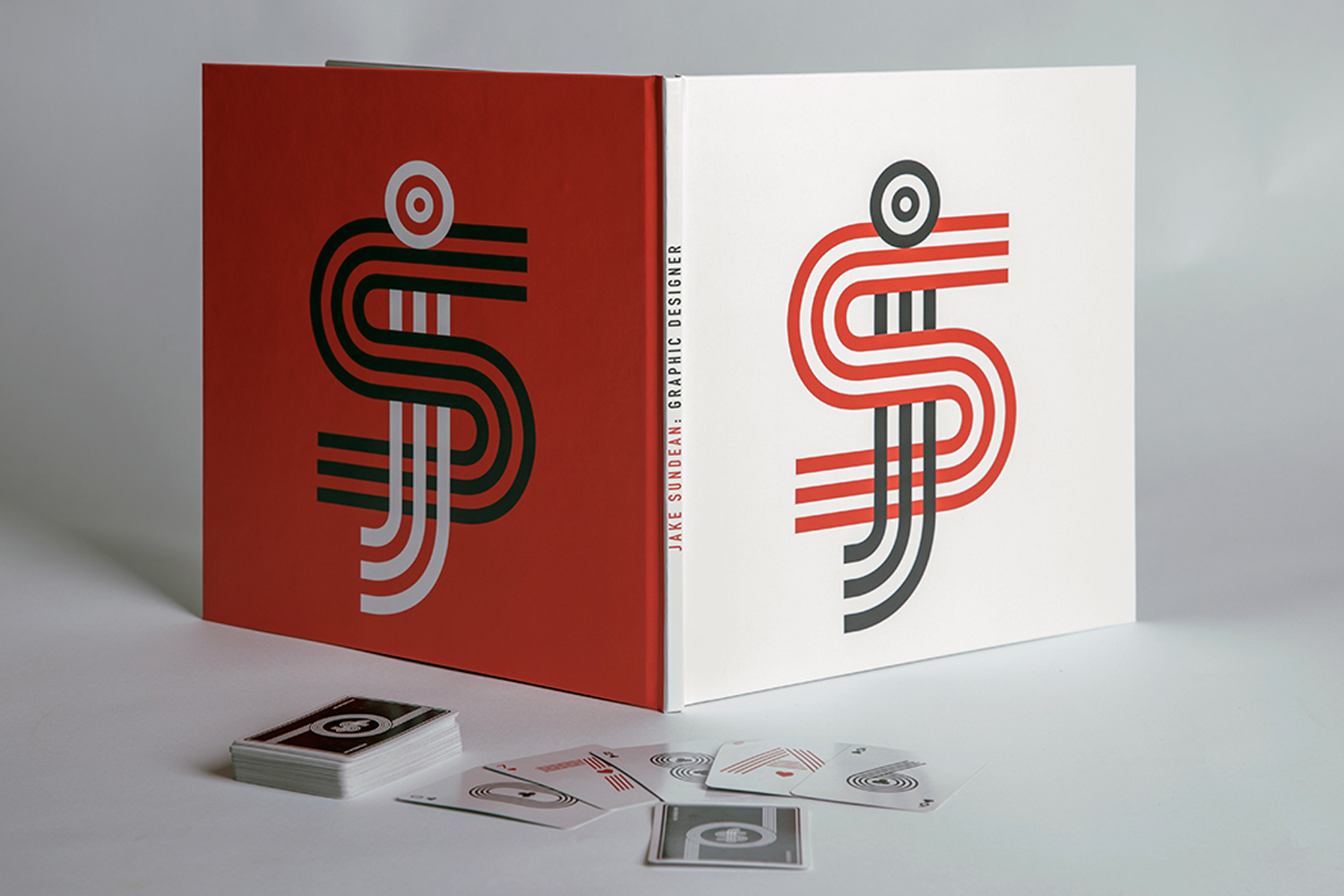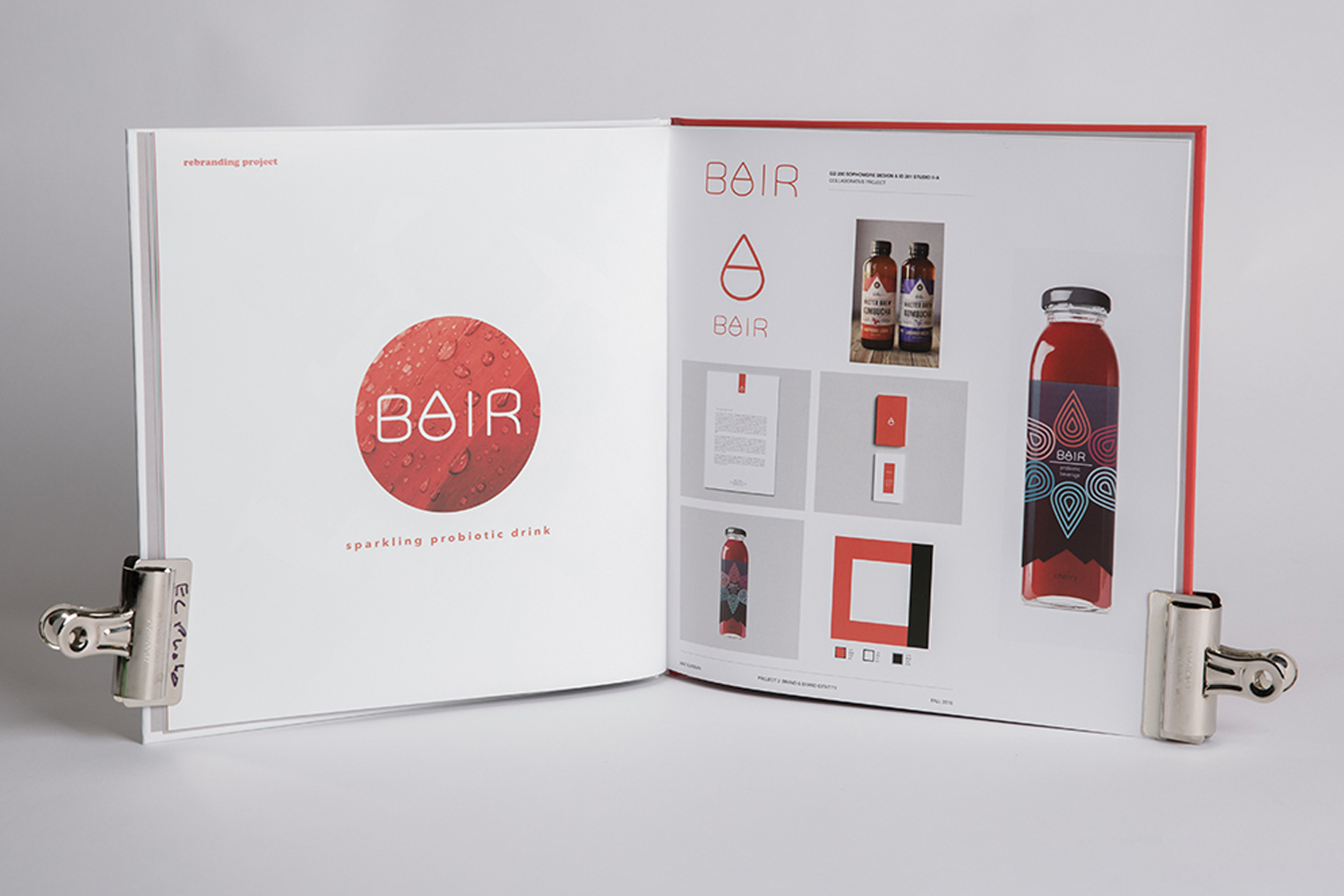
Now That’s A Press Release!

Posted in Print Portfolios / Promos by D. Currier | Tags: , ,

Award-winning promotion from Work Labs in Richmond, VA. http://www.worklabs.com/
Art Director: Cabell Harris
Designer: Paul Howalt

GD Star Rating
loading...

Kenneth Hamlett Promotional Video

Posted in Digital Portfolios by D. Currier | Tags: ,

Architectural photographer, Kenneth Hamlett recently worked with TurnHere to create the following promotional video. The storyline leads to a shot setup and then shows the final image – demonstrating the power of “seeing” an image, capturing, and transforming it. Kenneth Hamlett’s website: http://www.kennethhamlett.com/. Also, check out his blog, “I shoot things” at http://kennethhamlett.com/wordpress/.

GD Star Rating
loading...

Book available at Barnes & Noble bookstores

Posted in Articles by D. Currier

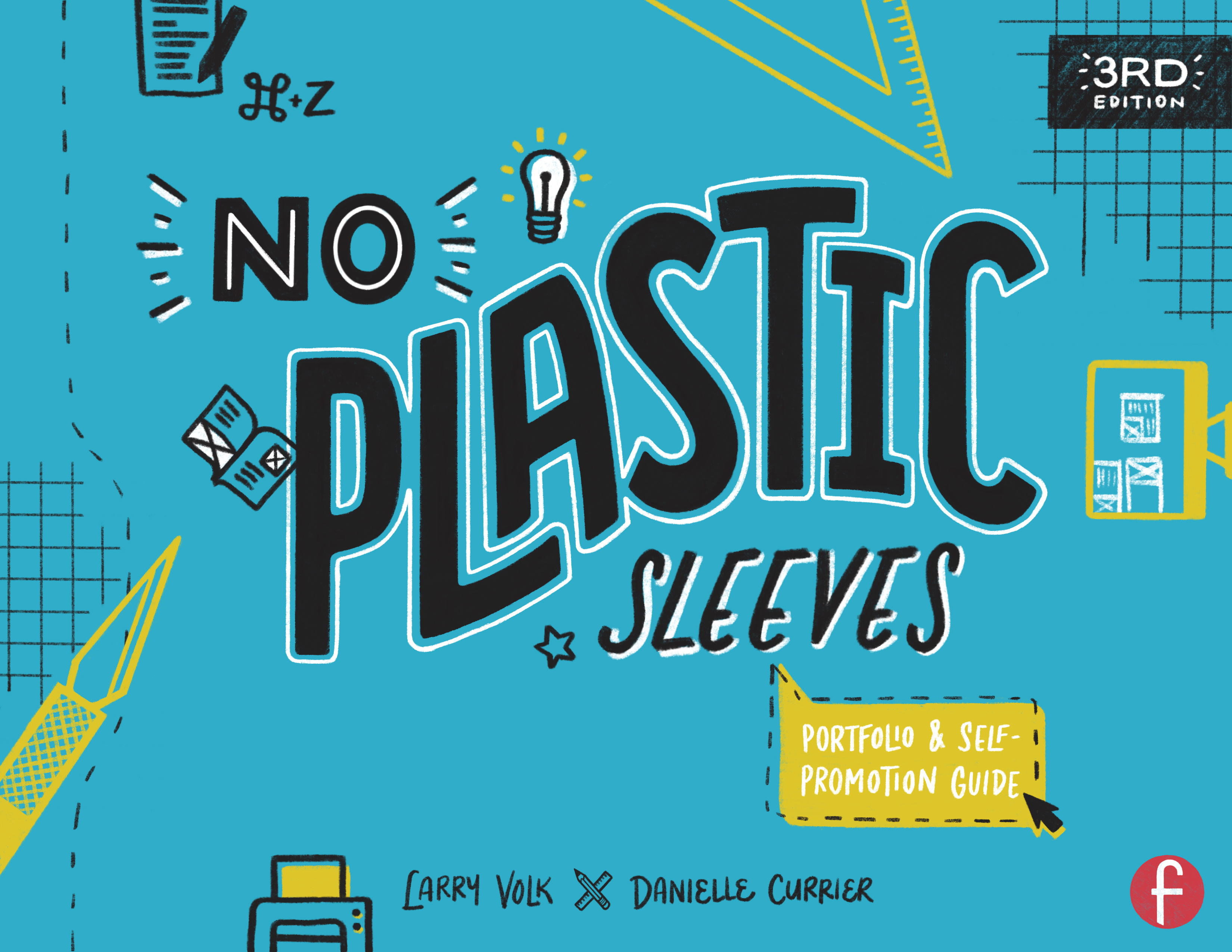
I’m happy to report that our book, No Plastic Sleeves: The Complete Portfolio Guide for Photographers and Designers, is available at Barnes & Noble bookstores across the U.S. It would be awesome to see the book at different B&N locations across the country. So if you happen to be in one, please take a quick shot of the book and email w/ location to danielle@noplasticsleeves.com. Much thanks!

GD Star Rating
loading...

Pixels & Pulp Promotional Video

Posted in Digital Portfolios by D. Currier | Tags: ,

Pixels & Pulp is a design firm specializing in branding, print collateral and web design. They work with individuals and organizations–locally and globally–who are environmentally and socially responsible and those who are just plain passionate about what they do. Check out their latest promotional video – a cheeky 50′s style “commercial”. Also fun that both design principals, Elise Weeks and Megan Keogh, are in the video.
http://www.pixelsandpulp.com/

GD Star Rating
loading...

Top Ten Tips

Posted in Articles by D. Currier
  1. A comprehensive portfolio package should include more than just a portfolio book. You will also need a website, resume, cover letter, and perhaps even a business card and other types of promotional materials.
  2. Your entire portfolio package should function cohesively with unifying visual elements that tie together these separate, but related pieces – all establishing and reinforcing a consistent, positive message about you.
  3. The most powerful way you can communicate your unique identity – your strengths and abilities – is through examples of your work. You need to make sure that every piece included in your portfolio is an example of your very best. Industry standards and best practice suggests a portfolio of 12-20 works.
  4. While the work in your portfolio is obviously a very essential part of your ability to market yourself and should be considered carefully, you should not stop there. A portfolio design that communicates a strong overarching design concept will stand out and provide further evidence of your unique experience, skills and talent.
  5. Develop a brand statement for yourself, capitalizing on your unique abilities and creative vision. Let this guide your approach in the creation of a distinct concept that fuels the basis of your portfolio book and website design.
  6. Your book can be so much more than a simple (and often generic) container for your work. Think of it as a well thought out and impeccably crafted creative statement in and of itself. Doing so will help to set you apart and speak volumes about your initiative, drive and passion for your field.
  7. When it comes to the construction of your book, craft is key. Get help through books, courses, online services or ask/pay someone to help. Remember, if you’re making it yourself, practice makes perfect.
  8. For the interior of your book, images of your work must remain the focal point within the page’s composition. Any contextualizing information and spatial relationships must be seriously considered, remain consistent and hierarchically secondary so as not to distract away from the work itself.
  9. Your portfolio website is just as important as your book. Make yourself aware of the design issues specific to the web and interactive solutions before beginning the process of creating one.
  10. Your portfolio will only serve you if it is seen. Develop marketing materials to support your book and website. There are many routes to take with mailers, electronic mailings, leave-behinds and business cards. Try something that’s a bit more innovative and clever or you run the danger of it just getting tossed.
GD Star Rating
loading...

Great review of our book on Lighting-essentials.com

Posted in Articles by D. Currier

Great review of the book on the website, Lighting Essentials for Photographers. This site has lots of great information on it too (and I’m not just saying that!). I particularly liked the Lighting Diagram Tool found here and the article, “So You’re a Photographer, Quick… Tell Me What You Do” found here.

GD Star Rating
loading...

Site of the Week: Jean Malek

Posted in Digital Portfolios by D. Currier

nps
Jean Malek, Montreal Photographer
http://www.jeanmalek.com/
Credits: http://www.akufen.ca/

I really enjoy the large close-up images and zoom in/out features when viewing the work. Interface is mostly intuitive, although once we get into the projects I would prefer to see thumbnails (hidden until rollover) indicating how many photographs there are in a project sequence and what the next project looks like. The primary navigation of interlocking triangles is interesting and adds a uniqueness to the site. This triangle motif carries through to the transition between images, which is interesting to look at. I did find the load time between images a little long. The video section, with full screen video makes for a nice addition to the content.

GD Star Rating
loading...

Interview with Professor Kelly Holohan

Posted in Interviews by D. Currier | Tags: , ,

I recently had the opportunity to interview Professor Kelly Holohan, whose student, Danielle Kroll won “Best in Show” in this past years HOW Magazine Self Promotion Competition. Read the interview below for some great advice and insight into why Tyler students are so successful with their portfolios and promotional materials.

About
Kelly Holohan is an Associate Professor in Graphic & Interactive Design at Tyler School of Art, Temple University in Philadelphia. She is a former President for the Philadelphia chapter of AIGA. Kelly has an MFA in Graphic and Interactive Design from Tyler School of Art, Temple University. She previously worked in NYC as a Senior Designer at Bernhardt Fudyma Design Group and her personal work has appeared in the following publications and exhibitions: AIGA 50 Books/50 Covers, the Art of Boat Names, Art Director’s Club of Philadelphia, the Big Book of Green Design, Creative Quarterly, Communication Arts Design Annual, Creativity Annual, Designing for the Greater Good, Good 50 x 70, Graphic Design Makeovers, logolounge 2, Print Regional Design Annual, and UCDA Design Competition.

Q&A
Your students have had such great success with their portfolios and promotional pieces – so many of them recognized in top industry magazines and competitions. What approach do you take to the portfolio course you teach that leads to such successful solutions?

The design faculty at Tyler School of Art encourage self-promotional solutions that truly reflect the student and their work. We support ideas that are personal in some way. Sometimes it involves tapping in to a student’s sense of humor, a design aesthetic or some other formal aspect of their work. The critique process usually involves whittling any unnecessary content away so that the idea can be understood with perfect clarity. Simplified, smart concepts communicate quickly and effectively to a potential employer.

How/what do you think inspires your students to achieve such innovative design concepts?

The Graphic & Interactive Design program at Tyler is all about producing design thinkers who are also design makers. It’s a balance that allows our students to take their careers in any direction they choose, whether it be print design, type/lettering design, web design, interactive design, broadcast design, environmental design, advertising or illustration. The faculty are all practicing designers who are passionate about what we do, and we love teaching — that kind of inspiration is contagious.

How important do you feel a print and/or online portfolio is in securing a job in the industry?

Even if a student has an exclusively print based portfolio, an online presence is critical in today’s competitive market. We encourage students who are not designing interactive work to use a portfolio host like Coroflot or Krop to showcase their work. Tyler design students with an interactive portfolio design and build their own custom portfolio sites. In addition to their physical portfolio, seniors in the Portfolio exit course create resumés, cover letters, pdf portfolios, mini books, and a senior thesis project.

In general, what do you think characterizes an outstanding portfolio?

  • Great Typography.
  • Strong writing skills.
  • Projects that show design thinking with breadth and depth, in addition to aesthetics.
  • Appropriate Solutions.
  • A variety of different approaches to solutions (demonstrates that a student is not a one-trick pony)
  • Impeccable Craftsmanship.
  • Innovative form and use of materials.

Do you have any advice for a student currently working on their portfolio and/or promotional materials?

  • Design a great résume — it’s only purpose is to get your work looked at.
  • Have an online portfolio ready to show if a potential employer asks to see more work.
  • Remember that social media is searchable. Don’t post anything on Facebook or Twitter that you wouldn’t be okay with anyone seeing.
  • Don’t include any work in your portfolio that does not represents your strengths.
  • Practice presenting your work in a concise and meaningful manner. You will be more relaxed in an interview if you’ve thought about what you will say.
  • Go on all interviews — even the ones you don’t think you are interested in — it’s good practice.

Examples of Student Work


Aaron Richardson


Teresa Rodriguez


Wade Keller


Matt Szobocsan


Kelly Thorn


Brittany Coyle


Zach VanBenthem

GD Star Rating
loading...

Site of the Week: Student Portfolio

Posted in Digital Portfolios by D. Currier

nps
Shaun Utter
http://www.shaunutter.com/

Very impressive portfolio website from Rochester Institute of Technology BFA student Shaun Utter. His major is New Media Design and Imaging and he plans to graduate this May.

GD Star Rating
loading...

Nice Card!

Posted in Print Portfolios / Promos by D. Currier

Great looking letterpress business card submitted to No Plastic Sleeves by Scott Regan. The tactile quality of the card is a real plus too. Check out his site at http://www.scottreganphoto.com/. The card was made by Caryn Gutterman and Studio on Fire in Minneapolis, MN.

*Click image for larger view

GD Star Rating
loading...

Get the FAQs on Custom-Made Portfolio Books with Expert Scott Mullenberg

Posted in Articles, Interviews by D. Currier

If you’re thinking of making your own custom-made book or paying someone else to do it, you should definitely take a look at these “frequently asked questions” (complete with answers), provided by expert bookbinder Scott Mullenberg of Mullenberg Designs.

Mullenberg Design is a hand bookbinding studio specializing in custom portfolio fabrications for the visual artist. “The goal at Mullenberg Designs is to exceed your expectations for design and craftsmanship, and to provide you with the highest level of personal service.” In addition, the Portfolio Design Studio, an arm of Mullenberg Designs, offers the “D.T.K., Dressed To Kill” line of portfolios and slipcases in 5 sizes and 8 fabric styles with optional name/logo debossing on both the portfolio and slipcase.

The following are some frequently asked questions and answers to help get you started.

FAQ with Scott Mullenberg

When fabricating custom portfolios, what materials do you use?

I use a variety of bookbinding cloth and synthetic cover materials. When selecting cover materials, the most important consideration is wear and tear. If you frequently send out your portfolio, my experience is that you can generally expect three years of “life” from it. However, I have clients who have been using the same book for ten years. Regardless, if you’re sending your book out, I highly recommend use of a Tenba case (or similar) for shipping as it will provide additional protection of the portfolio.

Who should I order sample swatches from?

I order materials primarily from Talas (www.talasonline.com), Hiromi Paper International (www.hiromipaper.com/store), and Fifield Fabrics (www.fifieldfabrics.com). When you are ready to select coverings for your portfolio, you can order swatch books by phone or by placing an order online. When ordering swatchbooks, reference the following:

  • From Talas (paper backed cloth): Asahi, Iris, Cialux, Chromo, Techno, Canapetta
  • From Hiromi Paper (paper backed cloth): World Book, Kyoto Deluxe
  • From Fifield (simulated leathers): Vienna, Lantau

While availability of materials is generally good, sometimes items go out of stock. I can easily check availability for you once materials are chosen.

Why use screwpost construction?

Screwpost construction allows you the greatest flexibility in the event you want to swap out images. It’s classic, contemporary, and elegant, yet simple and easy to re-load.

Do I want a slipcase or a clamshell box?

Clamshell boxes are durable and provide protection to your portfolio. I recommend the use of a clamshell box if you’re frequently shipping out your portfolio.

Slipcases are great for in-house and walk-in presentations because they take up less space on a table or desktop and are not as cumbersome.

Many of my clients order one or more of each construction because they want the flexibility of having both boxes.

Do I want hinged or scored pages?

The choice of whether to hinge or score your images is an individual one but there are factors you need to consider before a decision is made.

  • The type of paper you’re printing on will determine whether to hinge or score your pages. Matte paper easily takes to scoring, but glossy does not.
  • Cost is another factor to consider when making this choice. Hinged pages are more expensive.
  • Scored pages offer you more self-reliance. To add or replace a damaged hinged page makes you more dependent upon my schedule.
  • Scoring is also best if you’re doing “full spreads.”
  • If you choose scoring over hinging, I require that you send me at least two test prints when I’m constructing your portfolio.

How do I determine the final size of my pages?

I can make a portfolio to fit any size image. Typically, square portfolios range in size from 10”-12” (trimmed page size), while rectangular portfolios range in size up to approximately 11” X 17” (trimmed page size).

What margin do I need to allow when printing my pages?

For scored pages, I need a 1” margin. So, for example, if your final image size should be 12”X12”, I’ll need the page to be 12”X13”.

For hinged pages, and if you’re printing on one side only, no extra margin is required. However, if you’re printing on two sides, keep in mind that the hinge will be exposed on the back side – thus, if you’re doing full bleeds, the hinge will adhere onto ¼” along the image’s edge. In addition, if you want hinged pages, and you’re using full spreads, keep in mind that you won’t want full spreads to follow each other consecutively because of the exposed hinge on the back side of the page.

Can I print images on both sides of the page?

Yes. Just keep in mind the hinging restrictions noted above if you’re printing full bleeds and full spreads.

Can I use pre-drilled and pre-scored pages to print my images?

Yes. Some of my clients are now using the new pre-drilled, pre-scored pages available from Moab Paper (www.moabpaper.com).

How many pages should I have in my portfolio?
Most of my clients include 20-25 images in their portfolios, a number which is the current industry standard.

What is the difference between blind and foil embossing?
Blind debossing/embossing has no color. Foil debossing/embossing can be in a variety of colors. Generally speaking, your chosen materials will dictate the choice of blind vs. foil embossing.

What color choices do I have if using foils for the logo emboss?
Foils come in a variety of different colors and finishes. However, matching to a specific Pantone color is not currently possible.

For the full FAQ and pricing, download Scott’s PDF. Get it here.

Examples
The following are portfolio books Scott has recently built. *Click images for larger view.

pollard_sm
Courtesy Duncan Pollard, http://www.duncanpollard.com/portfolio

ober_sm


Comments?
Let us know what you think.
Click here to comment.

Got a custom made portfolio book that you’d like to see featured on No Plastic Sleeves? Email a url or pics to danielle@noplasticsleeves.com.

GD Star Rating
loading...

Promotional Gift by Photographer Michael Winokur

Posted in Print Portfolios / Promos by D. Currier | Tags: , ,

Promotional Giving
Giving can be a great way of promoting oneself. Whether it’s a special event (like moving into a new office) or an anniversary (like 10 years in business) or a holiday, each of these moments presents a reason to get in touch, reconnect and get noticed. Targeting a few select clients (depending on budget) with a creative and personal gift will leave a lasting impression and ensure that you’re remembered next time a project comes up. Creative appreciation and thoughtfulness can go a long way towards re-establishing relationships and/or creating new connections with clients and other business associates. So, next time, don’t just send a postcard, see if you can go a step above with an inexpensive DIY promotional gift. Speaking of which, check out the following promotional gift by Michael Winokur.

Promotional gift by photographer Michael Winokur
“I love my clients, most are friends and all are creative collaborators. Each year I pick something that I can brand and give to them. This year I chose the Sharan SQ35 pinhole camera which happens to be sold by my friend Doug’s company Noted. The Sharan camera is a cardboard kit with a pinhole lens that makes square images on 35mm film. Since the kits take about an hour to build I figured none of my clients would build them – so I assembled all 25 cameras, packaged them with film and decorated them with custom “Winokur Photography” stickers. In previous years I’ve given “private label” wine. Since this year’s gift was so much more labor intensive than the wine I had to keep the list quite tight. The cameras went to my current clients and some very special dream clients. ” – Michael Winokur

http://www.winokurphotography.com/

More about this project can be found on Michael Winokur’s blog. Special thanks to Neil Binkley at Wonderful Machine for first sharing this project with me.

GD Star Rating
loading...

Portfolio of Photographer Bill Lusk

Posted in Print Portfolios / Promos by D. Currier | Tags: , ,

Bill Lusk has been a passionate and edgy image-maker of the everyday and familiar for 15 years. His award-winning photography pushes the limits of environmental portraiture by engaging the viewer in a beautiful and wry look at otherwise mundane, overlooked moments. His sculpted lighting and mastery of digital technique heighten the viewer’s experience. Bill’s New York-based business keeps him traveling for clients like Toyota, State Farm Insurance, Principal Group Financial and Coca-Cola shooting ads, annual reports, and corporate as well as stock photography.

Making the Portfolio
Bill had the following to say about the making of his portfolio. “When Scott (Mullenberg) and I began working on my book, we noticed that the horizontal, somewhat panoramic ratio of many of my images should be a focus. We opted for this fairly large, square format with the intention of showing the work as spreads. I had seen some books that Scott made with two materials on the cover. I asked him about doing the same for me except that I wanted the materials to come together with a horizontal seam in a formal proportion. Scott hadn’t made such a cover before but agreed to give it a go. Within in a few days he had knocked together a stunning prototype; just what I was looking for. I have always had a big interest in architecture so as we began discussing the outside of the book I was immediately drawn to materials that suggested sculpture and substance. We settled on sturdy, black and aluminum looking leathers with good texture. And Scott embossed my long-line logo so that it works seamlessly with my branding.”

“I feel that I have a portfolio that does a really good job presenting who I am and the type of work one should expect to see inside the book. Props to Scott Mullenberg for being easy to work with and executing the design flawlessly.”

http://www.billlusk.com/

*Click images for larger view

GD Star Rating
loading...

Email Glitch – If you haven’t heard back from me. Please email again.

Posted in Articles by D. Currier

**Notice: Some of your emails have not been getting through to me. Please try again at the following address.

If you have recently submitted work or tried to contact me and have not heard back from me please email me again at this new address – danielle@noplasticsleeves.com. I have recently discovered an email glitch with the previous setup and some of the emails have not been getting through. I respond personally to every submission and contact email, so if you haven’t heard back from me, chances are I just didn’t get your email. Please try again. Sorry for any inconvenience.

Thanks, Danielle Currier

GD Star Rating
loading...

“No Plastic Sleeves” Book Available

Posted in Articles by D. Currier

No Plastic Sleeves: The Complete Portfolio Guide for Photographers and Designers is finally available and shipping! If you’re interested in ordering a copy online, it’s available here through Barnes & Noble and Amazon.com (as well as all other major bookstores).

About the Book
When you look at your portfolio, ask yourself:

- Do I stand out from the crowd?
- Do I communicate an effective concept and message?
- Do I demonstrate impeccable skill and craft?

Your work and the manner in which you present it is a critical part of securing potential employment opportunities and clients. Our unique approach addresses all facets of the portfolio process. Each step has been carefully planned, organized and simplified in order to maximize the potential of your portfolio book, website and supporting materials.

Key concepts, principles and techniques are brought to life through a vast collection of real-world examples, diagrams, step-by-step visual aids, a comprehensive list of resources as well as key perspectives from a select group of industry professionals.

This text will guide you through the complete process of conceptualizing, designing and developing all the interconnected aspects of your total portfolio package:

  • Objectively evaluate and edit your work
  • Develop a distinguishing self-brand concept
  • Understand and apply effective design strategies
  • Create a custom-made portfolio book
  • Translate and extend your ideas into an online portfolio
  • Plus develop integrated self-promotional materials and marketing strategies

Check out the Table of Content and Introduction (pdf).

GD Star Rating
loading...

2nd Winner of Free Copy of Book….

Posted in Articles by D. Currier

And the winner is – Congratulations to Ken Hamlett of Atlanta. You’ve just won a free copy of our book, No Plastic Sleeves: The Complete Portfolio Guide for Photographers and Designers.

GD Star Rating
loading...

First winner of “No Plastic Sleeves” book is…

Posted in Articles by D. Currier

And the winner is – Congratulations to Susanna Raab of Washington, D.C. You just won a free copy of our book, No Plastic Sleeves: The Complete Portfolio Guide for Photographers and Designers.

Stay tuned tomorrow when I’ll announce another winner!

GD Star Rating
loading...

Site of the Week: Peter Schafrick Photography

Posted in Digital Portfolios by D. Currier | Tags:

nps
Peter Schafrick
http://www.peterschafrick.com/

Peter Schafrick is a commercial photographer with studios in New York, Toronto and Chicago. He specializes in shooting products with an emphasis on liquids. He has won several international awards. His website was designed by Organic Grid. It’s an excellent example of a portfolio site design. The interface is intuitive, seamless and unobtrusive. The images are large and clearly the focus of the site design. There’s also some nice integration of “behind the scenes” video. The site was recently featured on the DesignCharts Weekly Top 40.

*Click images for larger view

GD Star Rating
loading...

Submit Your Portfolio or Promo Piece

Pages

Recent Posts

Check it out!


The book is now available online and in Barnes & Noble bookstores across the country.

Check out the Table of Contents and Introduction from the book (pdf).

Some Favorite Online Spots

Polls

How did you design and build your portfolio website?

View Results

Loading ... Loading ...

Tags

AIGA architecture Australia award-winning book book construction brand brand identity Brazil business cards clean collateral design film Germany hand crafted Holiday Promo iconography illustration Interviews japan letterpress London Montreal photography portfolio book portfolio review portugal poster print product design professional materials promotion resources Seattle self-promo student portfolio Submit Sweden t-shirt typography video video tutorial web design website

What you have to say