Unique Promo Ideas by John Early

Posted in Print Portfolios / Promos by D. Currier | Tags: ,

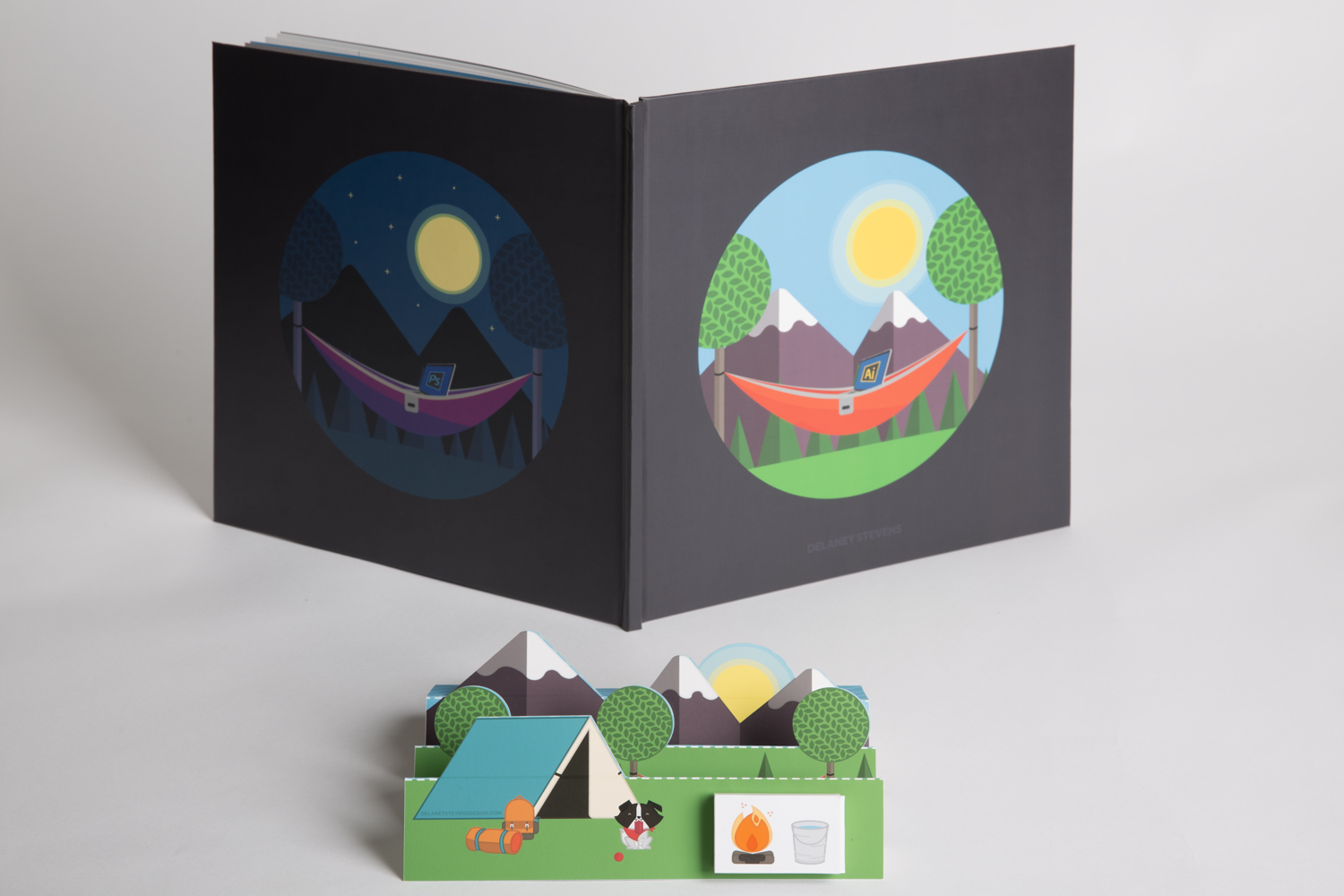
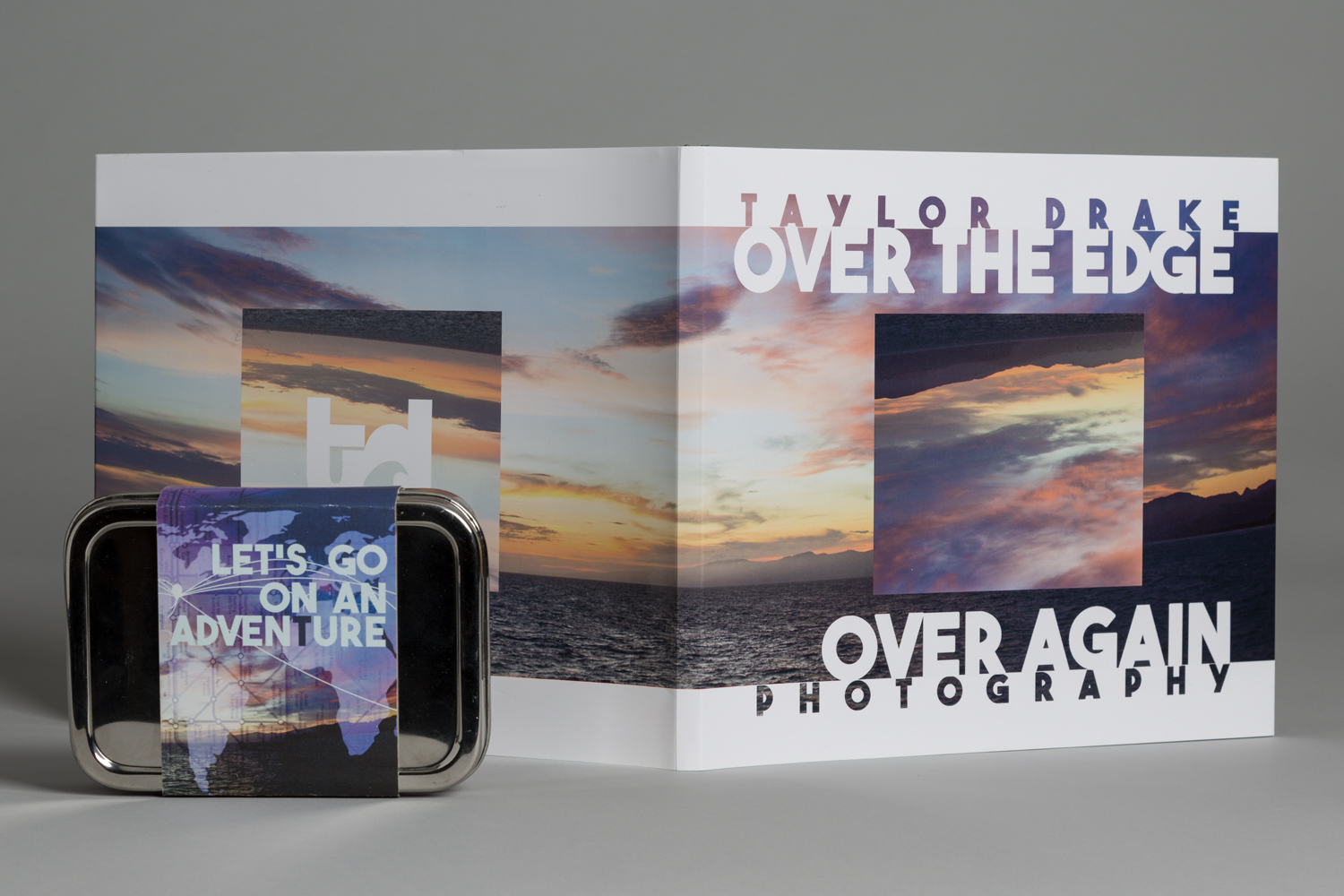
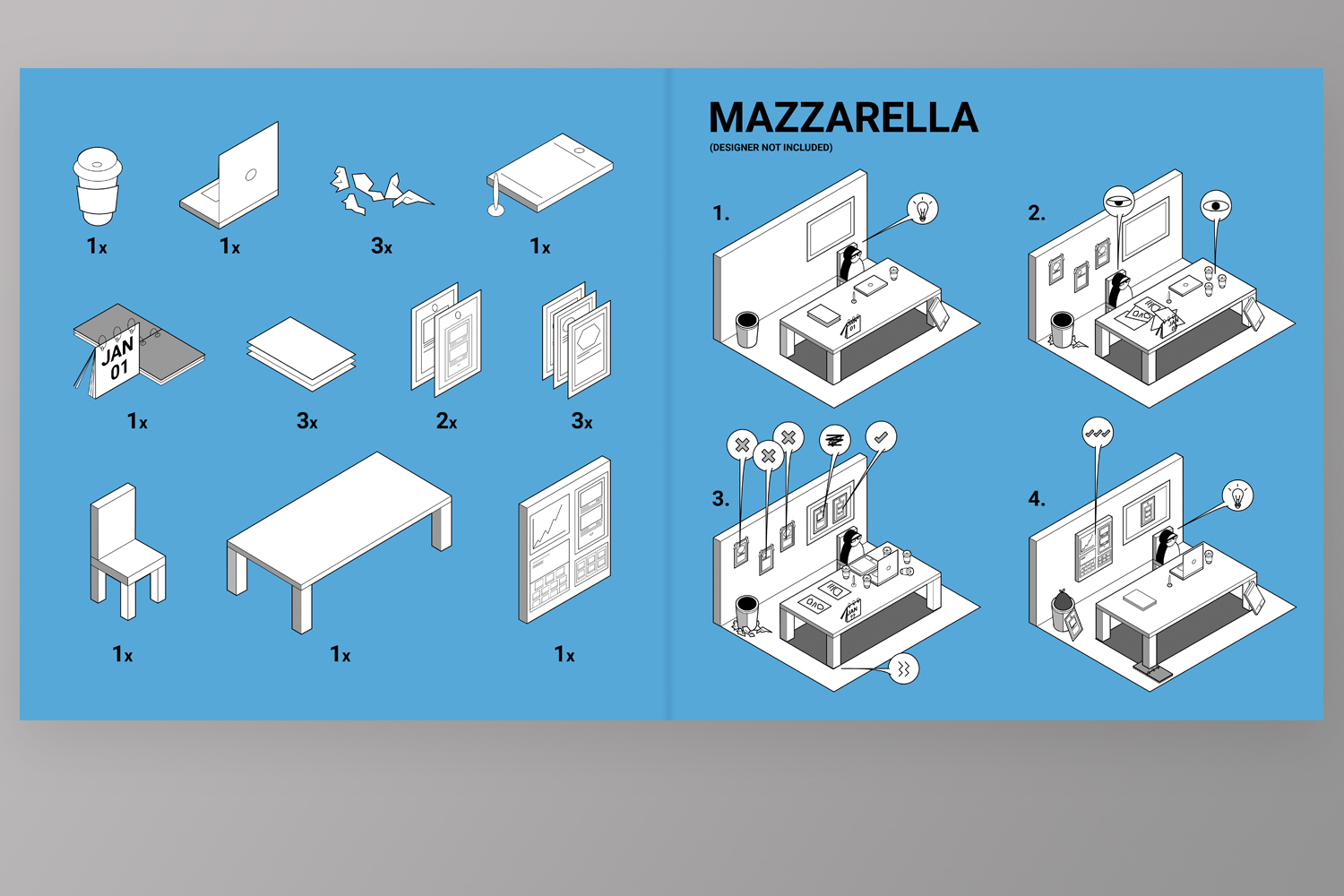
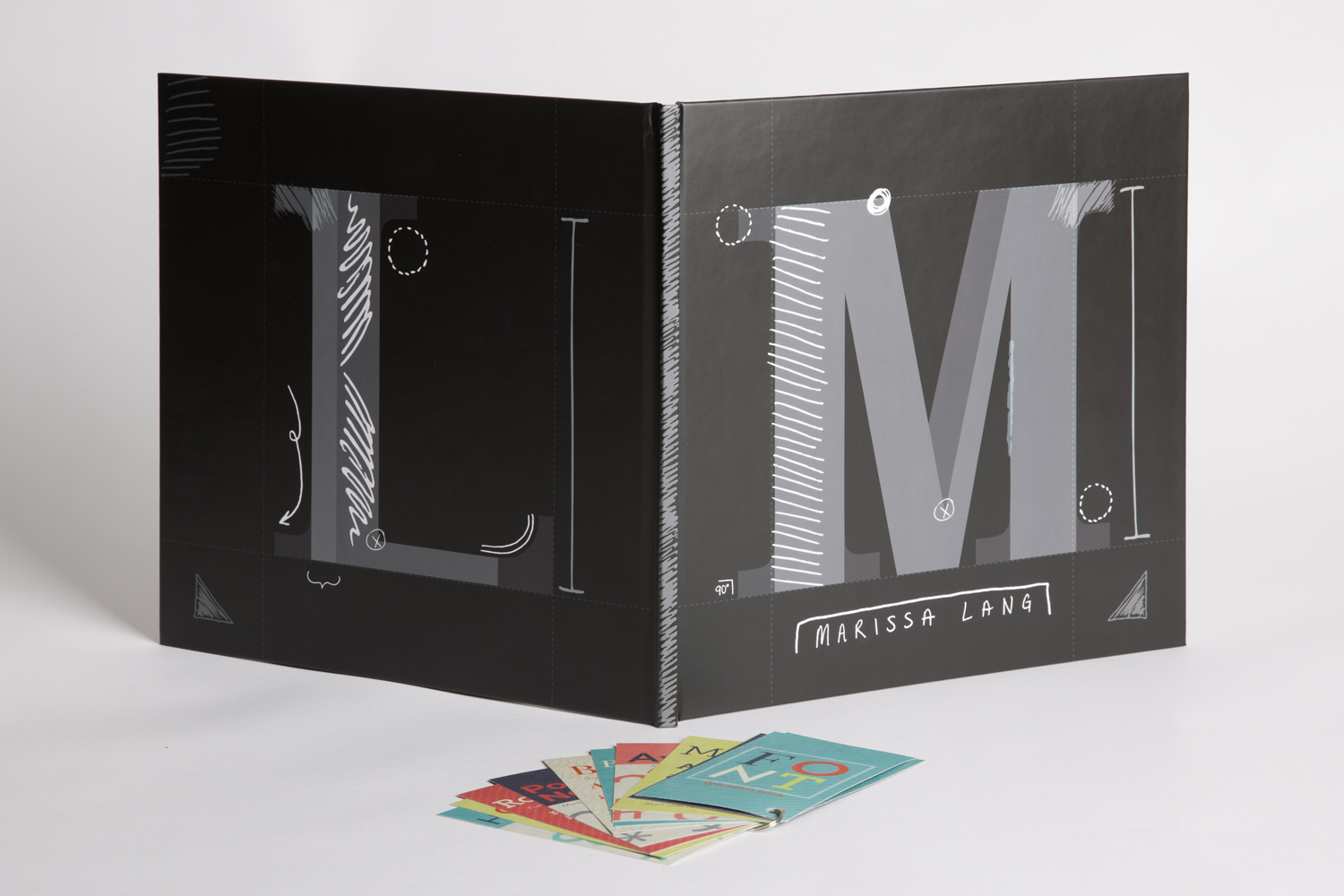
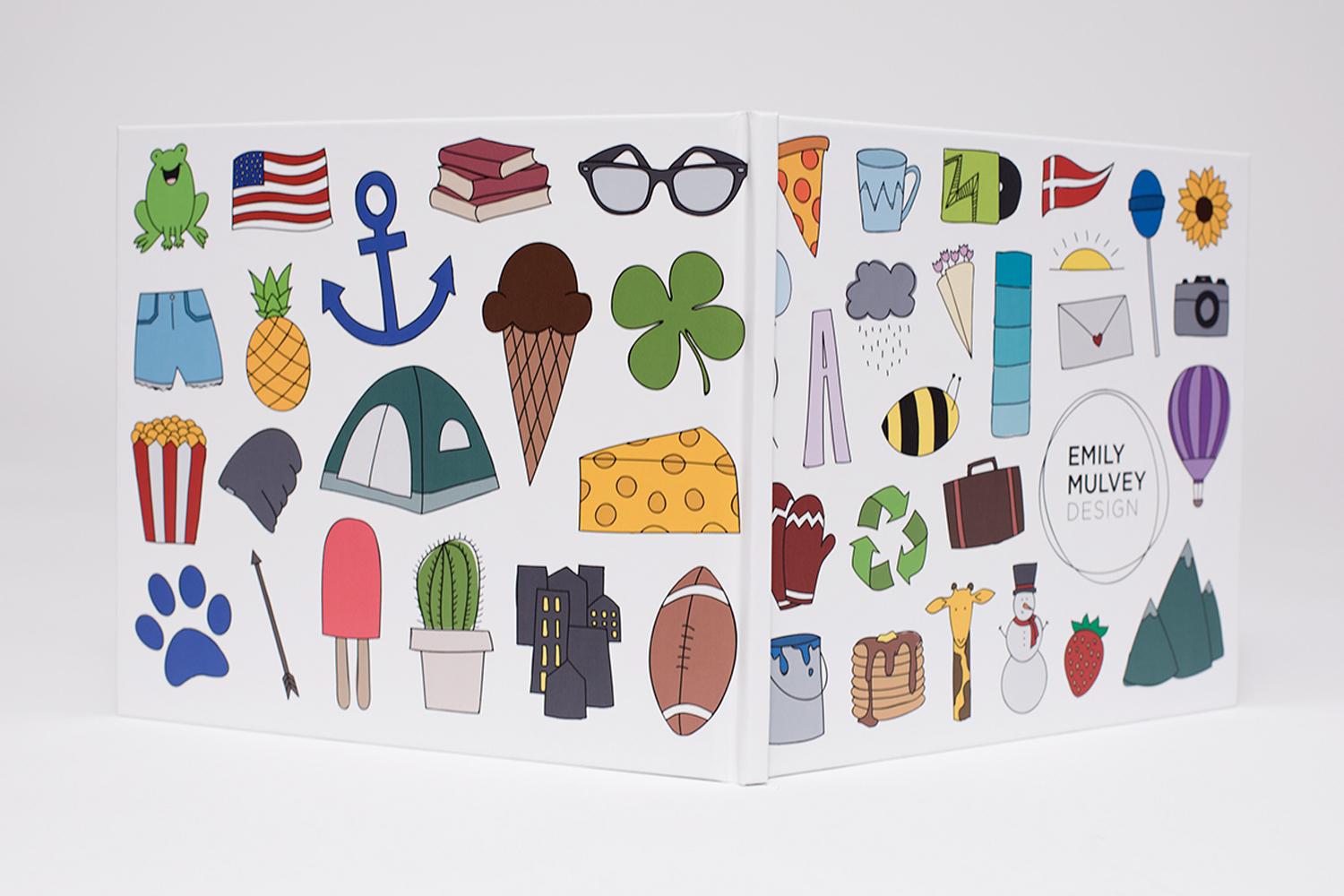
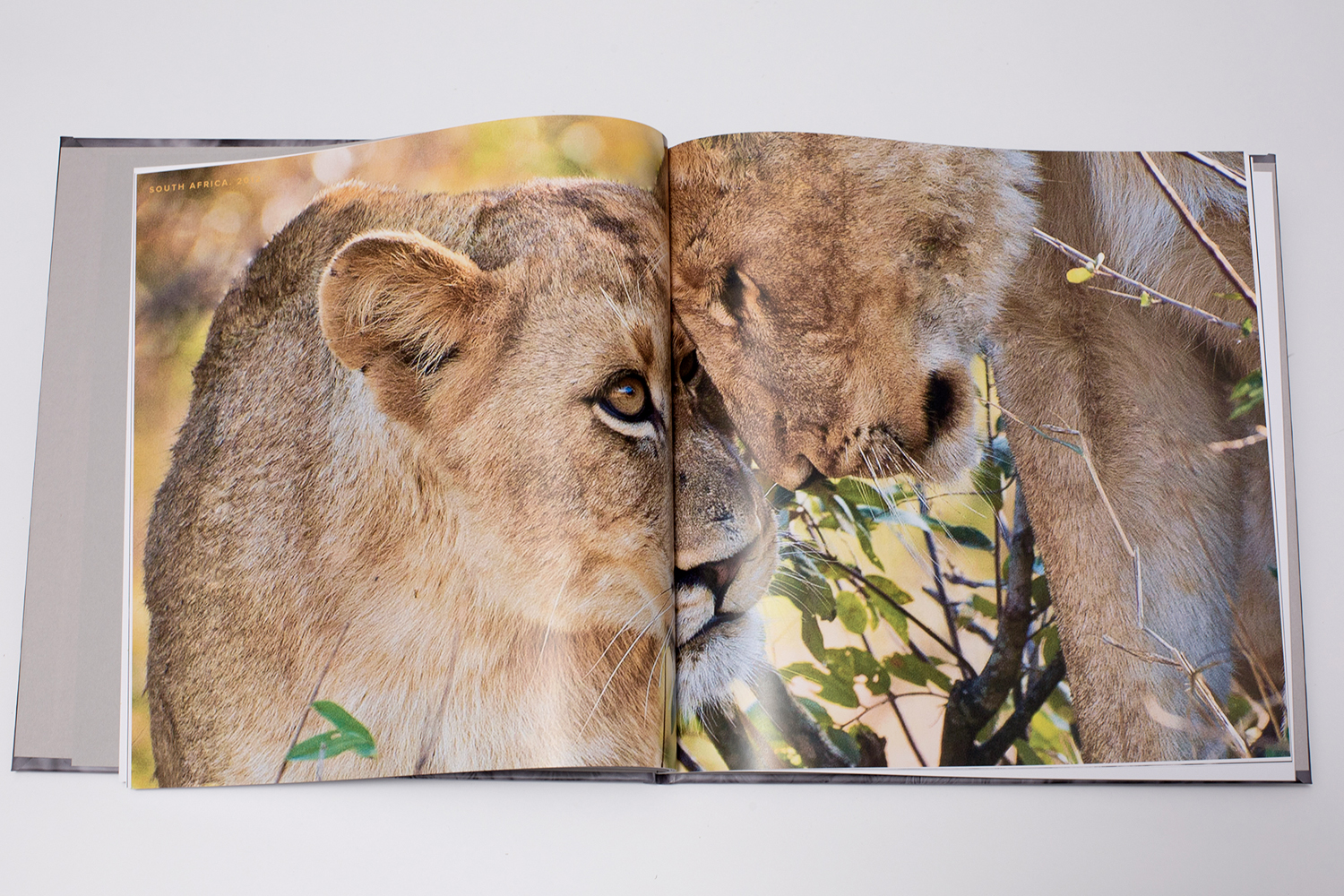
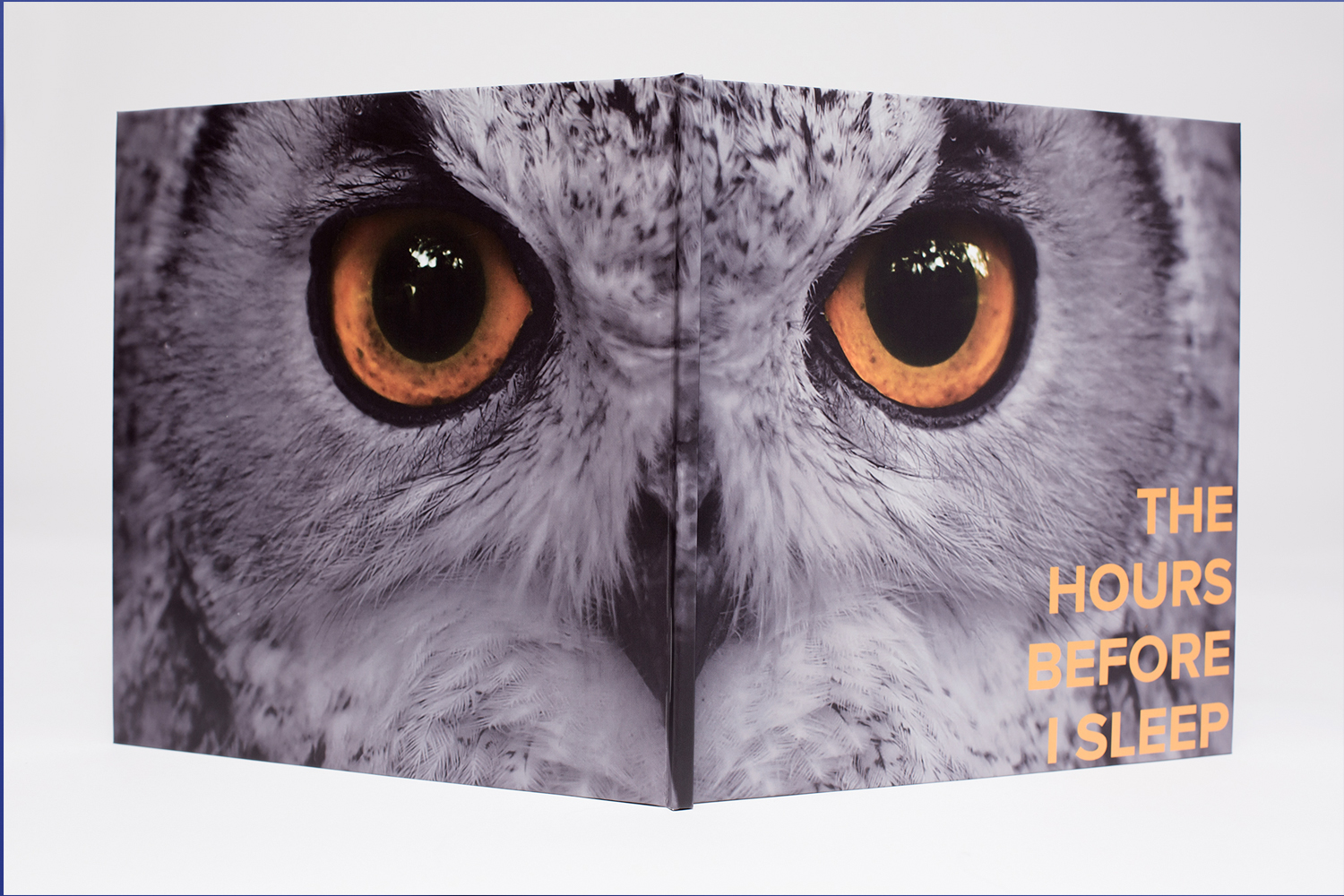
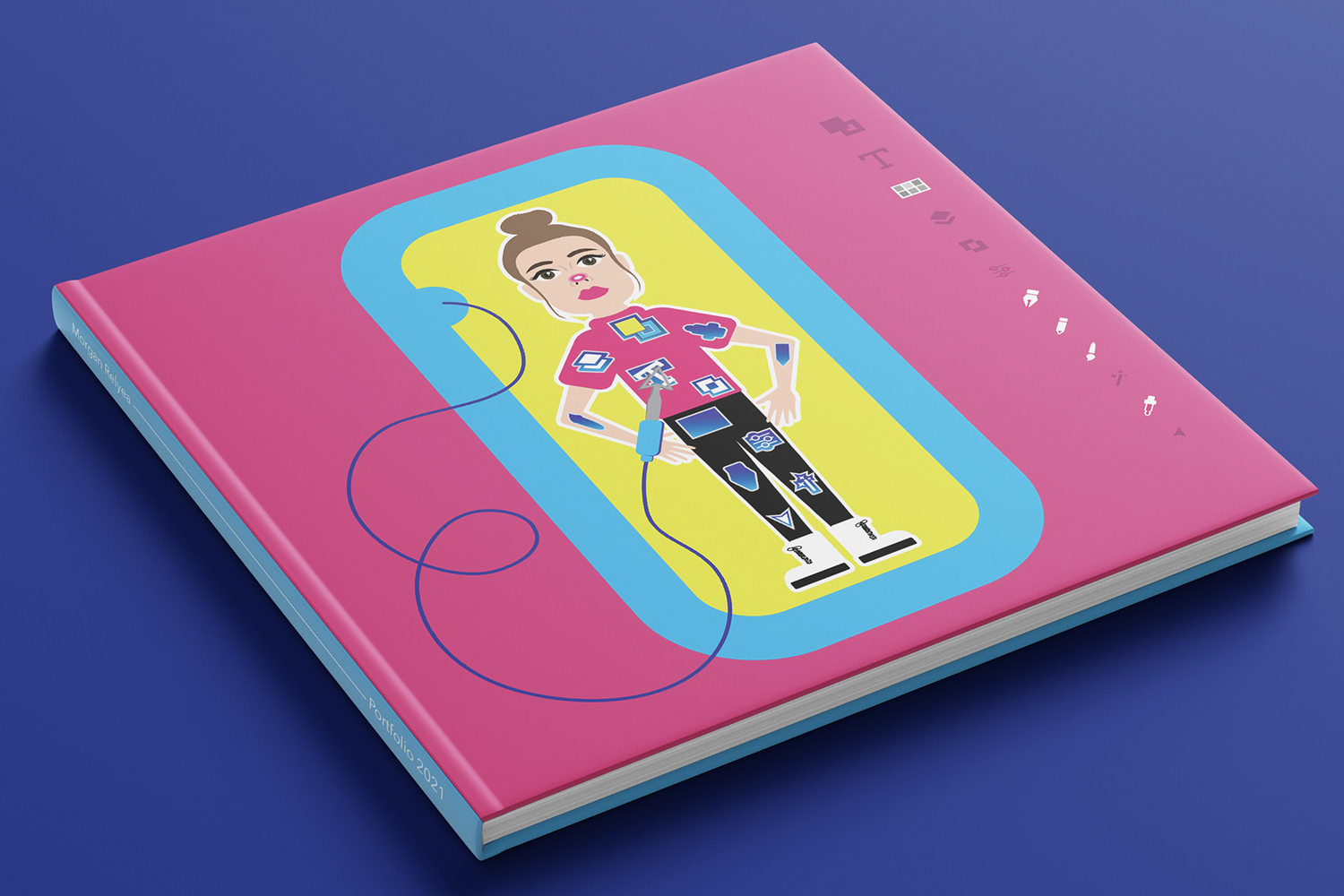
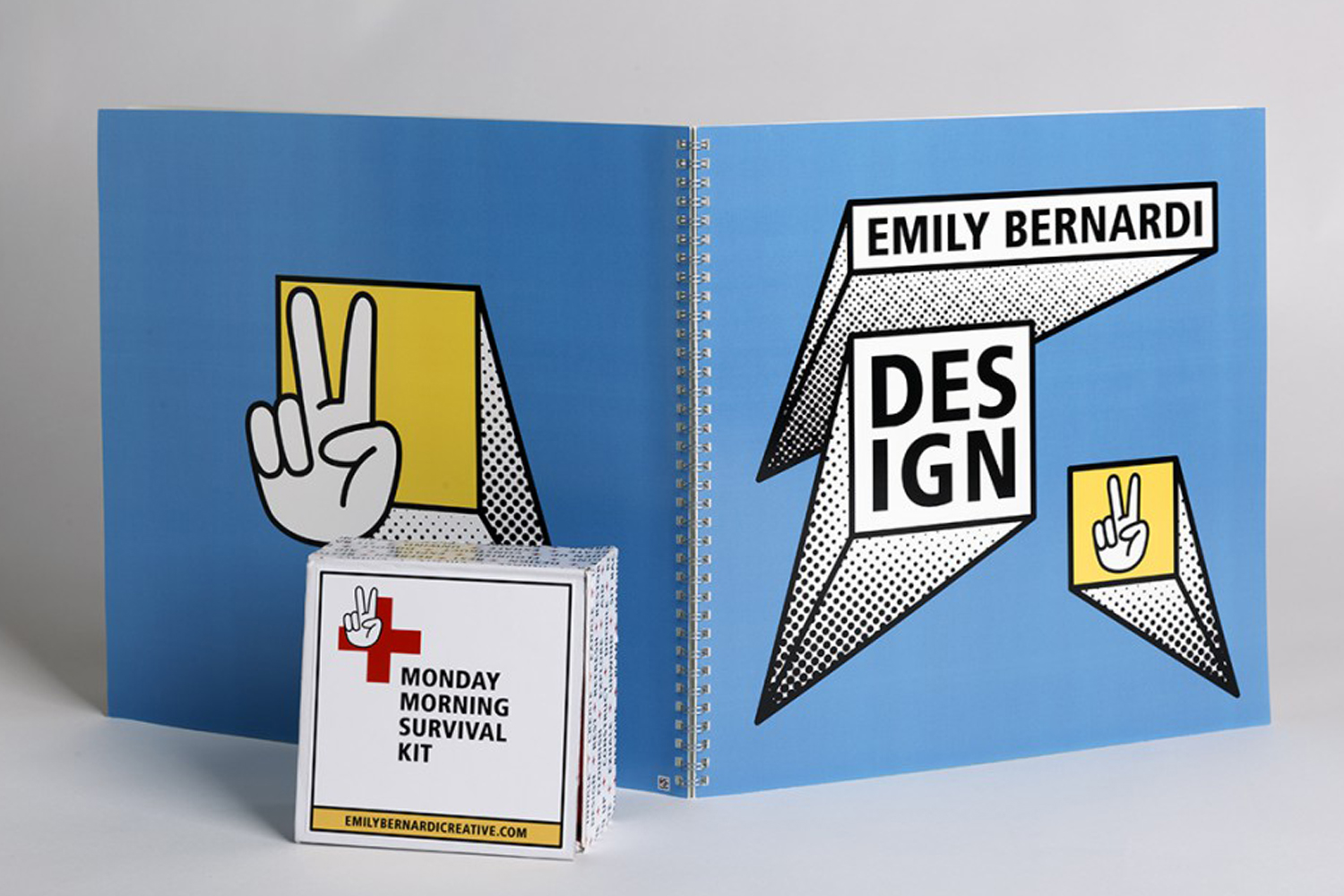
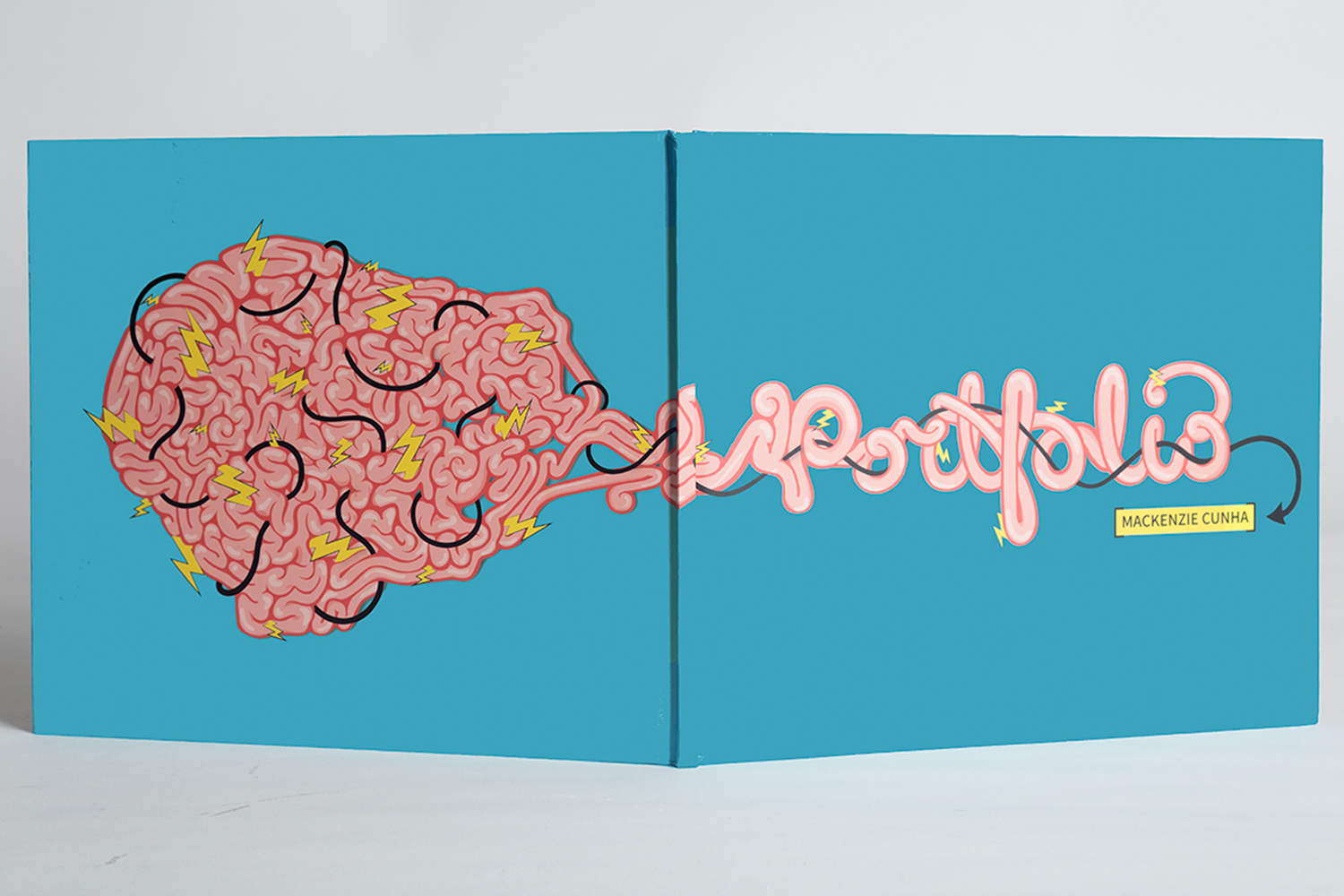
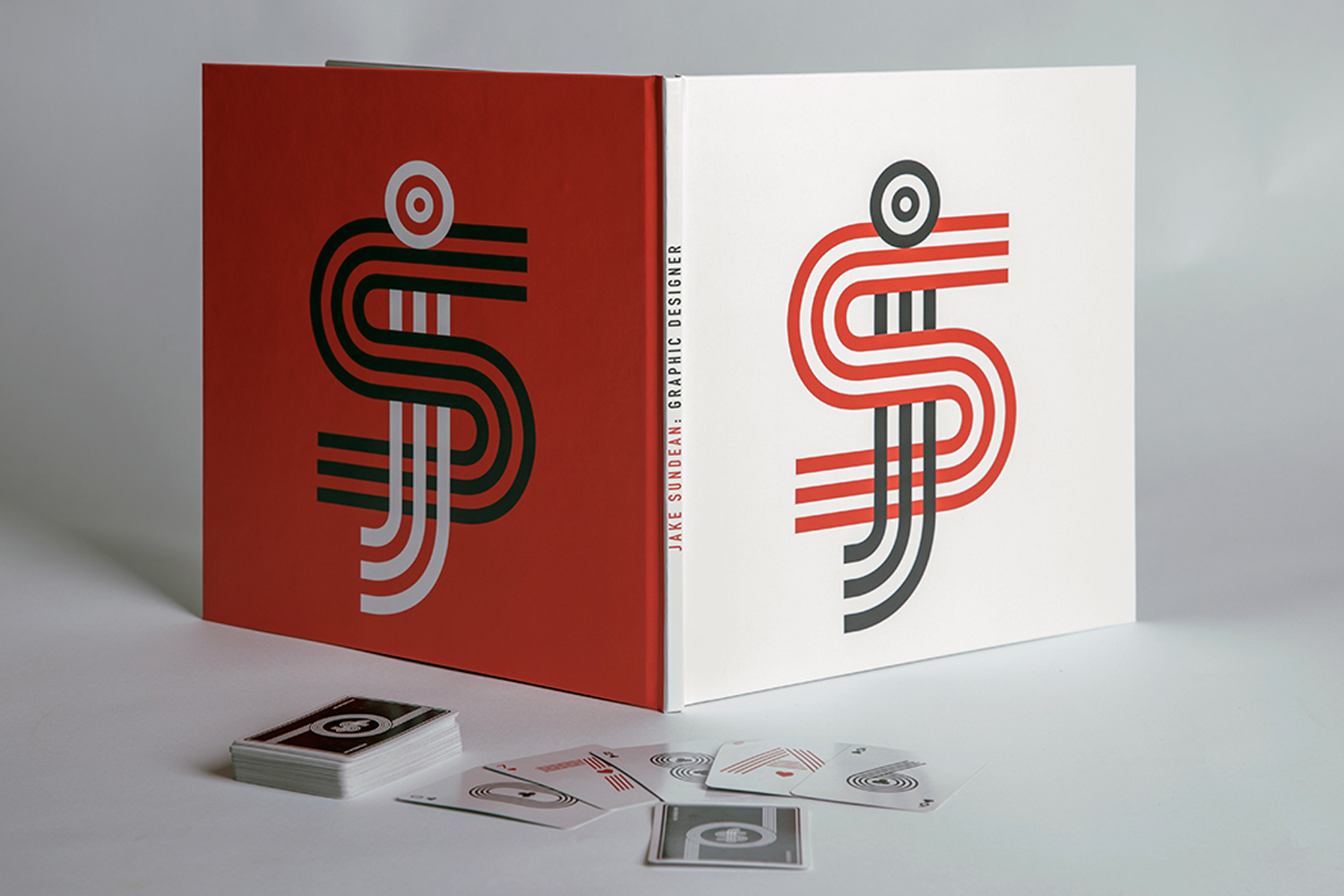
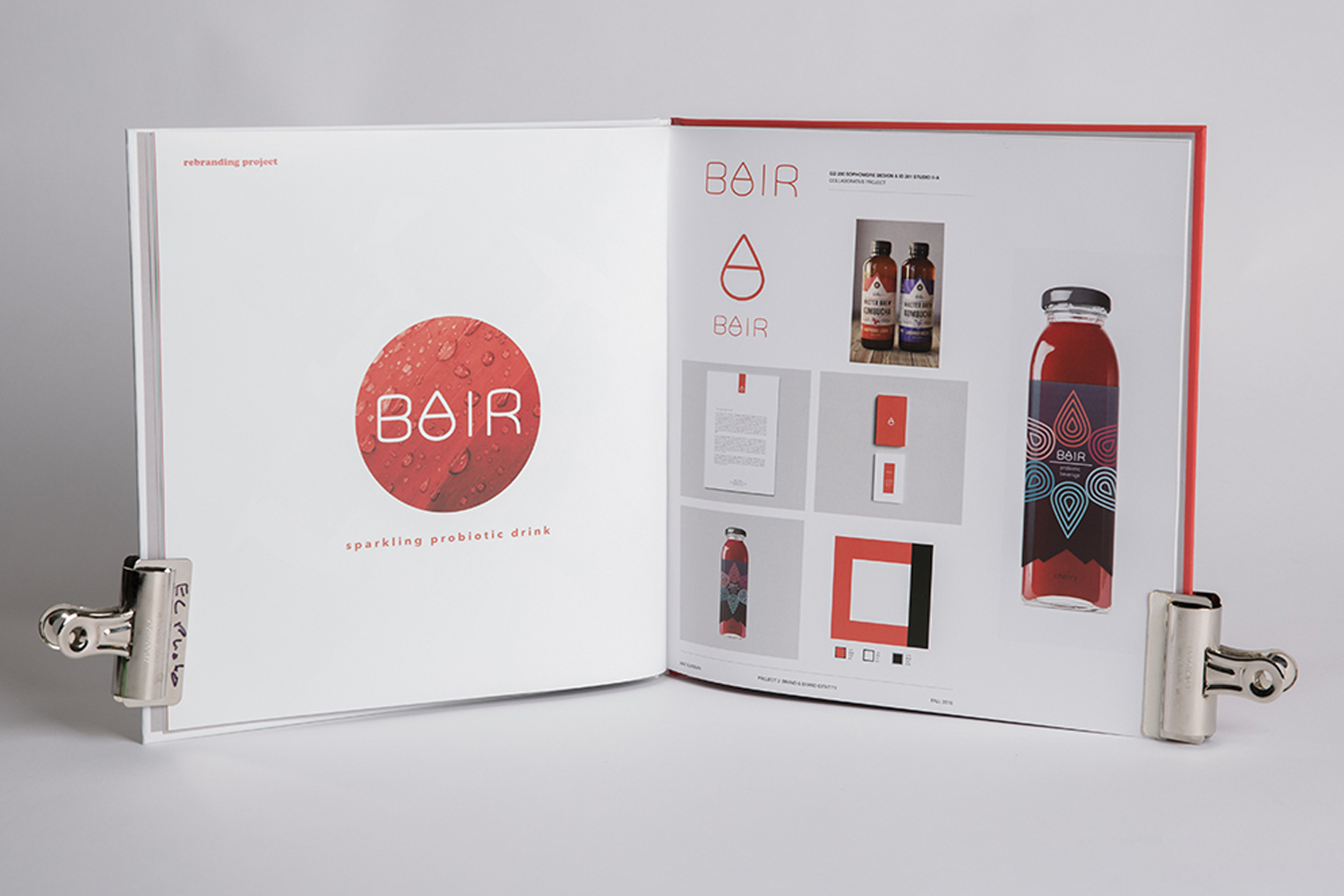
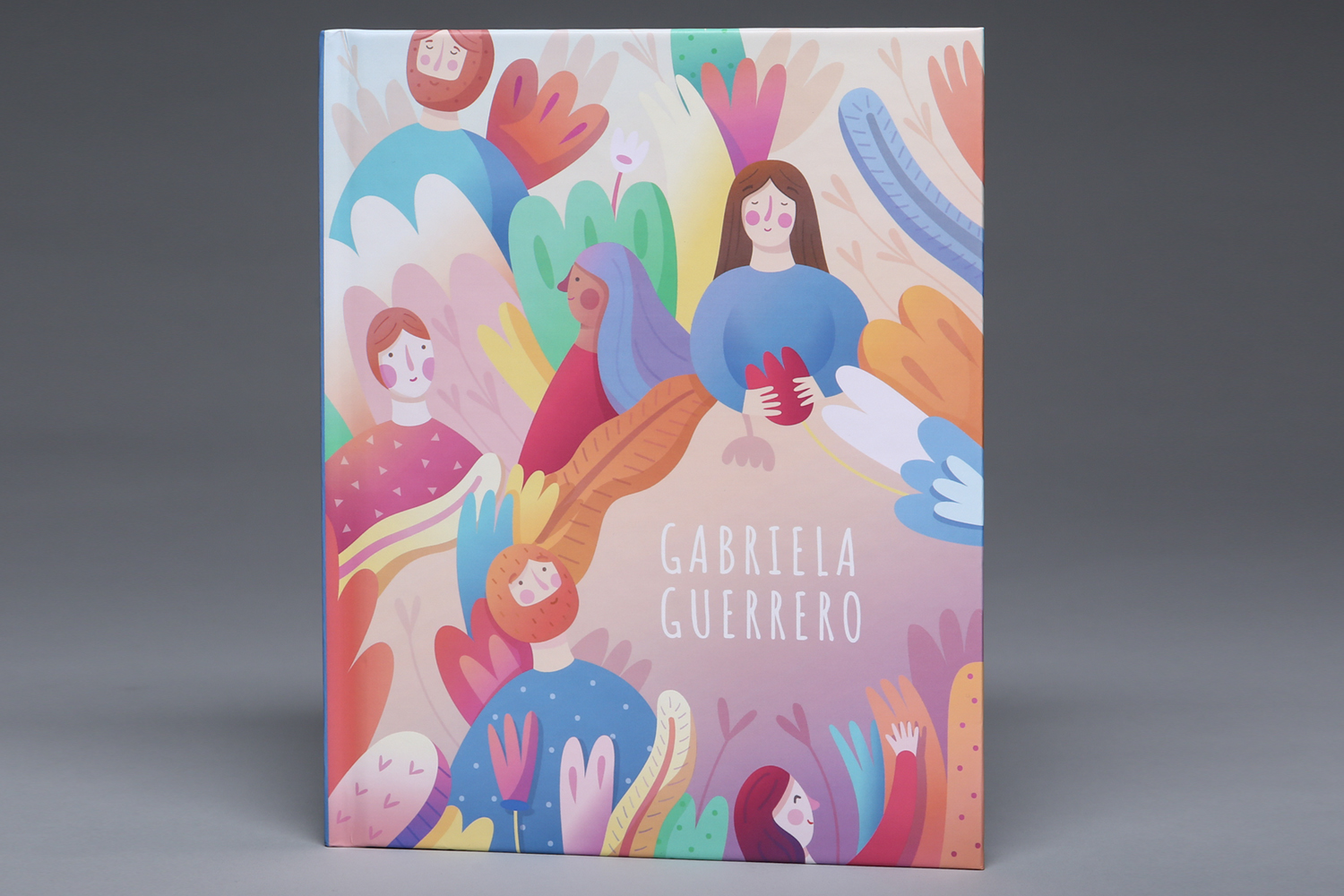
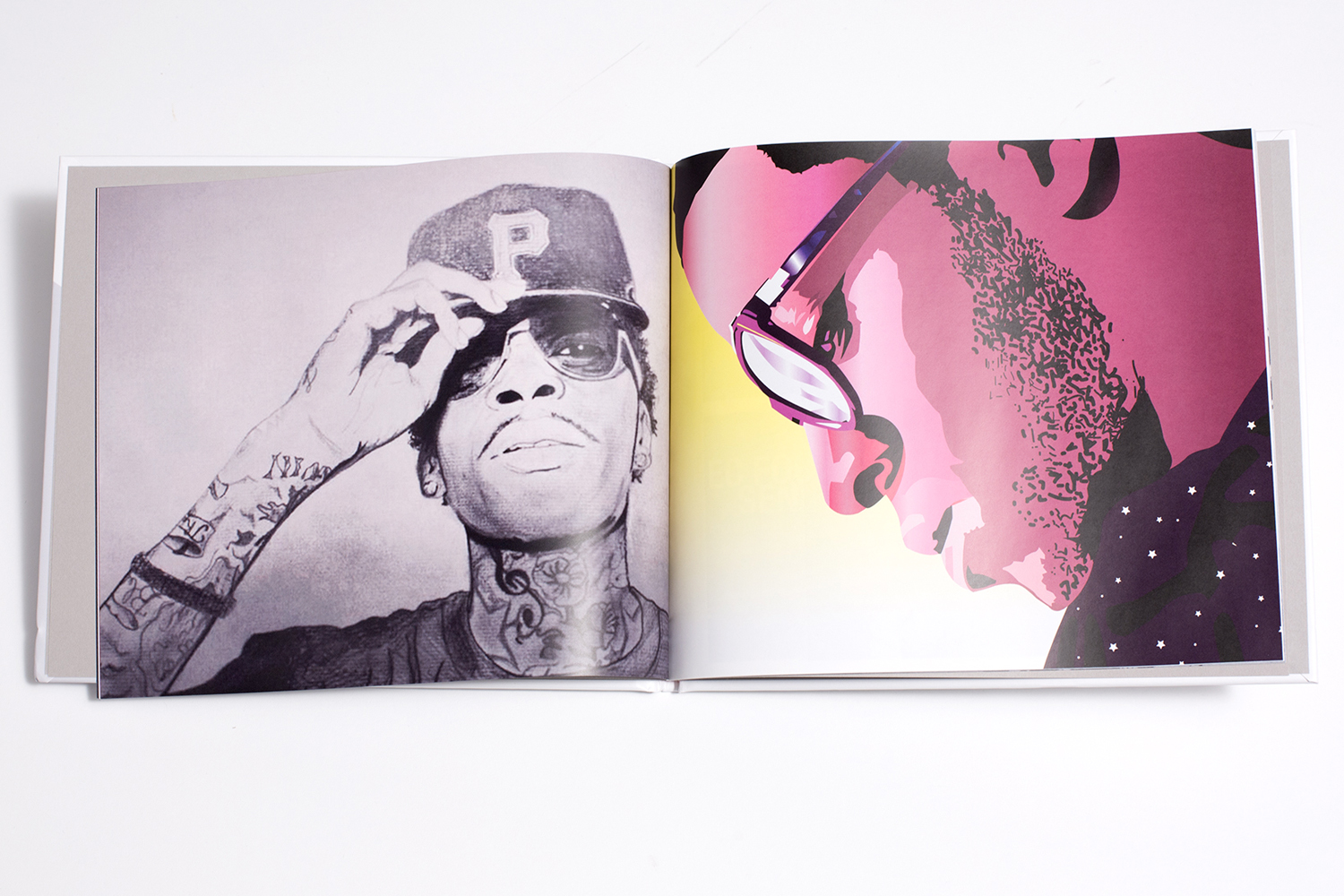
These unique promotional pieces were submitted to No Plastic Sleeves by photographer, John Early of Early Productions, LLC. They are part of a larger promotional effort, including traditional email and snail mail campaigns. Great concept, copy and execution. For more about the project go to http://johnearly.blogspot.com/2009/07/self-promo-entry.html. And to see more of John’s work, check out http://www.johnearly.com/.

GD Star Rating
loading...

Developing a Brand Statement – Discovery

Posted in Articles by D. Currier | Tags: ,

Excerpt from “No Plastic Sleeves: The Complete Portfolio Guide for Photographers and Designers”, Chapter Two: Branding.

“You now have to decide what ‘image’ you want for your brand. Image means personality.” – David Ogilvy, Founder Ogilvy & Mather, Infamous Advertiser

Defining Your Own Brand Attributes
A good place to start thinking about your own brand statement is by reflecting on the work you’ve done, the person you are, and the creative professional you want to be. In order to do this, there are some key questions that you should ask yourself. Write down the answers that you come up. Trust yourself and listen to your intuition throughout this process. You should also think about getting the opinions of others whom you trust. Ask colleagues, faculty, clients, fellow designers, photographers, artists, etc., how they would characterize the work you do and the creative person they perceive you to be. Ultimately, you want to focus in on descriptive key words — adjectives and adverbs that can begin to define your own unique brand statement.

Reflect on Your Work
Ask yourself some key questions:
● What kind of work do you like to do?
● What kind of work do you do best?
● Was there a particular project that you really enjoyed working on?
● How would you define your talents and skill set?
● How would you describe the styles, forms, and concepts with which you prefer to work?
● How would others describe your talents and the work you do? (If you don’t know, ask.)
● What does your body of work say about you?
● Is there something missing from your body of work that you think you need?

Reflect on Yourself and Interests
Ask yourself some key questions:
● How would you describe yourself as a creative professional?
● How would you describe yourself in general – your personality, work ethic, beliefs, etc.?
● How would others describe you? (If you don’t know, ask.)
● Are these qualities communicated through any of the pieces you’ve worked on?
● What do you have to offer a company or client?
● What types of experiences engage you?
● What do you find most interesting about the world around you?
● What do you find most interesting about photography, art, and/or design?
● Whose work influences, attracts, and inspires you? Why?

Reflect on Your Future
Ask yourself some key questions:
● What kind of work do you want to do?
● What kind of creative do you want to be?
● Are you doing the kinds of things now that you want to be doing in the future?
● I f not, how can you position yourself to get to where you want to be?
● What kind of company or client do you want to work for?
● What kind of company would fit your lifestyle? Are there compromises you are willing or not willing to make (travel, moving to a different location, long hours, etc.)?
● Where do you see yourself in one, two, or five years?
● Is there someone in the field who you admire? Would want to emulate? Why? How did they get to where they are?

This is your opportunity to invent yourself for the first time, or reinvent yourself all over again. Think about where you’d like to be two years from now. How about five or ten years? People change jobs and even careers often throughout their lifetime. Now is the time to think about what you want out of your career.

“By defining what you show based on what you truly are and what you want to do, you create a self-selection process: you are not for everyone. You are different. Be courageous enough to show that you see in a way no one else does.” — Doug Menuez, Photographer, Editorial Photo – See full article here

Coming Up Next: How to write your “Brand Statement”

GD Star Rating
loading...

At the Bookstore

Posted in Articles by D. Currier

Here are a couple shots of our book at the bookstore – east coast meets west coast. Thanks to photographers Marcus Griep and Winni Wintermeyer for the photos. If you happen to come across our book in a Barnes & Noble or Borders bookstore, please take a quick shot of the book and email w/ location to danielle@noplasticsleeves.com. Much thanks!

Burlington, MA


Courtesy Marcus Griep

San Francisco, CA taken w/ phone


Courtesy Winni Wintermeyer

GD Star Rating
loading...

About Brand

Posted in Articles by D. Currier | Tags:

Excerpt from “No Plastic Sleeves: The Complete Portfolio Guide for Photographers and Designers”, Chapter Two: Branding.

The primary function of your portfolio is to present a collection of your best work in order to communicate your experiences and capabilities, in hopes of securing a position or client. While this purpose cannot be forgotten, your portfolio can also be taken much further. It can become a quintessential marketing piece in and of itself. In doing so, it has the potential to make a more impactful and memorable impression on its intended audience. Your ability to develop ideas and market yourself is not only relevant to working in the creative industries, but it can provide a much-needed advantage in such a competitive field. This is especially important for students and recent grads who have not yet had as many opportunities to distinguish themselves in their careers.

How do you move from an assortment of work to a clear and concise brand statement?
How do you utilize a process of self-discovery to create a brand statement that can be used as a touchstone in the creation of your entire portfolio package?

First , consider where you are in this process.

  • If you already have a clear concept or idea for the direction of your portfolio: Reflect and evaluate upon this idea as it represents and positions you within your field. Developing a brand statement can’t hurt — the clearer you are about how to position yourself within the industry, the better you’ll be able to do just that. Keep in mind (especially for those of you who do not have a design background) that you can develop a brand statement without developing a corresponding brand identity.
  • If you already have a brand and corresponding brand identity: It may be time to analyze your current brand’s strengths and weaknesses, refreshing or changing it if need be.
  • If you don’t know what to say and/or how to say it: Begin with a process of self-discovery, defining and shaping your brand position. The work in your portfolio may not be enough to take you where you want to go. While it’s difficult to define something, let alone oneself, in the long run it will help you to have a statement that you can use as a touching point in the development of your portfolio design.

A brand is an attitude. It is a symbolic statement comprised of descriptive qualities that aim to express the heart and soul of an individual, organization, or product. These qualities are typically defined by a set of brand attributes — a list of descriptive words and phrases that have the power to describe style, tone, and personality; establish connections and associations; and shape emotional reactions. Brands attempt to project certain expectations and promises in the hopes of establishing an emotional and intellectual connection with their target audience. Truly successful brands are able to deliver on those promises through the value that the individual or organization provides. Such brands express and establish a specific attitude that is identifiable throughout their particular market.

Think about the clothes you wear, the music you like, and the products you buy. Among all of these things you have choices you make based on certain attitudes and qualities that appeal to you. In some ways, these things even go so far as to defi ne aspects of who you are and the broader culture that you belong to. The most successful brands often become timeless icons of culture — think VW, Coca-Cola, MTV and Apple.

A strong brand should:

  • Differentiate: Stand out from your competition.
  • Be authentic: Communicate a message that is relevant and
    meaningful to your intended target audience.
  • Be memorable: Consistently communicate a clear and concise
    message.

Coming Up Next: How to develop a “Brand Statement” – Self Discovery

GD Star Rating
loading...

Matt Barnes’ “Rock Star” Promotion

Posted in Print Portfolios / Promos by D. Currier

This edgy piece was submitted to No Plastic Sleeves by Clayton Rochement, founder of Rochement Reps, a commercial photography agency. It’s for photographer Matt Barnes, whose work can be seen here on the Rochemont Reps website. The promo received a PDN award in the extraordinary self promo category last year.

Clayton had this to say about the piece, “I art directed/designed a promo for him late last year that received a little press recently, including a PDN award in the extraordinary self promo category. Matt is a shooter that focuses greatly on music, and my concept was to make HIM the rock star. We produced a 7″ picture disc vinyl record, and pressed it with custom music by DJ Platurn ( Oakland, California). We included plenty of imagery within the promo, including many thumbnails, 4 main shots, and a 7×14″ two-sided bonus Poster.”

A download of the tracks is available at http://www.westsidestudio.com/blog/?p=1456

GD Star Rating
loading...

The Web & Print Portfolio of Winni Wintermeyer

Posted in Digital Portfolios, Print Portfolios / Promos by D. Currier | Tags: ,

nps
Winni Wintermeyer, Photographer

Photographer Winni Wintermeyer recently submitted his portfolio to No Plastic Sleeves. In addition, I thought so highly of his website that I’m featuring it as a “Site of the Week”. Check it out at http://www.3am.net.

About the print portfolio, Winni commented, “It’s a Pina Zangaro Machina portfolio. My previous portfolio was square and completely homemade out of plywood…. [With the new one ] I wanted a warmer feel to it and finished the outside with a bamboo plywood. A couple photo editors have told me that they’re not too crazy about all metal portfolios since they tend to scratch furniture if not handled extra careful. Turns out that my customization wasn’t such an original idea because Pina Zangaro now has bamboo portfolios as well … but not in square, so I still have one that’s unique.”

Regarding his website Winni says, “I designed it so that on the front page you can get a quick overview of the work with big thumbnails. We all know that photo editors don’t have much time and everything loads pretty quickly just with HTML. The design of the individual galleries is very stripped down and I created a fluid layout that scales to different sizes and still looks good on a 30″ monitor. There’s also an option to go full screen and navigate with the arrow keys. Image captions are hidden and only become available when the user rolls into the upper portion of the image. Even though it’s done in flash it “deep links” to each individual image. That way the viewer can bookmark and forward links of their favorites – a request I heard from a few art buyers.”

GD Star Rating
loading...

Danielle Currier speaking @ “Thinking Creatively” Conference

Posted in Uncategorized by D. Currier

The Industrial Design Society of America northeast regional conference comes together with Thinking Creatively to bring all attendees a collaborative experience for 2010. Hope to see you at the conference.
http://www.thinkingcreatively.org/

Seventh: Thinking Creatively Design Conference
Friday and Saturday, April 16th & 17th, 2010 at Kean University, Union, NJ

GD Star Rating
loading...

“Title 02 – The Giving Issue” by design studio Go Welsh

Posted in Print Portfolios / Promos by D. Currier | Tags: , ,

This self-promotional newsprint piece by Go Welsh includes a series of unusual coupons and gift wrap patterns based on past Go Welsh identity projects. The last spread of Title 02 includes a series of 192 numbered triangular elements on the left page that reveal a hidden message when cut apart and assembled in the grid on the right page.

GD Star Rating
loading...

Larry Volk & Danielle Currier Interviewed for Adbase

Posted in Articles, Interviews by D. Currier | Tags: ,

My co-author, Larry Volk and I were recently interviewed for Adbase as part of their ongoing “Insight” series. In the interview we discuss a number of issues regarding portfolios and the approach to the portfolio process as described in our book. To check it out visit – http://www.adbase.com/Podcasts/NoPlasticSleeves.

Comments? Share your thoughts.
Click here to comment.

GD Star Rating
loading...

Tony Garcia’s Promotional Video & Mailers

Posted in Digital Portfolios, Print Portfolios / Promos by D. Currier | Tags: , , ,

Really fun promotional idea from LA based photographer, Tony Garcia. Now that’s a mailer you’ll remember.
http://www.tonygarcia.com/

Tony Garcia Photography Promotional video from Tony Garcia on Vimeo.

This is a video displaying Tony Garcia’s Promotional mailers.

GD Star Rating
loading...

Interview with Organic Grid’s Michael McDonald

Posted in Digital Portfolios, Interviews by D. Currier | Tags: ,

I’m excited to share with you a recent interview I conducted with Organic Grid founder and creative director, Michael McDonald. His work includes numerous award-winning portfolio websites and has been featured in numerous international design reference books and magazines including: logo lounge, communication arts, layout workbook, interface, netdiver, www design, in your face too, simple websites, best websites from around the world, adobe flash film festival, graphic design usa, art directors club, media inspiration awards, print magazine, .net magazine, web designing magazine japan, web marketing association, flash essentials, web designer uk, practical web design magazine, sxsw web awards, and the fwa: favourite website awards.


Q&A
Organic Grid has designed and developed a number of really successful portfolio sites for photographers and other creatives. What do you think the key qualities are that distinguish a successful portfolio site?

The key qualities that distinguishes a successful portfolio site are the following: a minimalist interface and page layout, and large full-screen imagery that has good composition and is well compressed so that it downloads relatively quickly. The interface and overall design of the website should play a secondary and supporting role to the actual content and imagery of the website design. The content should be the most important element and design on the site. The website should be easy to update, edit or change with a (CMS) Content Management System so that the website appears to be fresh with new content, “Content is King”…

Are there any current trends in web design that you would recommend someone take a look at or perhaps stay away from?

There’s no real innovative or mind boggling web trends for 2010, but perhaps having an iPhone/Android/Blackberry version of their website available on mobile devices will be a key in reaching new audiences. The trend for large full-screen imagery, cinematic style websites and minimalism will continue to blossom in 2010 as consumers become more educated and get tired of viewing poorly design websites that look like everyone else’s websites. I have observed and becoming increasingly concerned that too many websites are being designed with boilerplate website templates. “They are cheap, dilute your brand and look amateurish”…

For a photographer or designer who’s in a situation where they have to design and develop their own site, what advice would you give them? Are there inexpensive resources you would recommend that could help?

Building a simple and free blog from one of the numerous resources available today i.e. WordPress. Publishing your work/portfolio on the various social media websites i.e. (Facebook, YouTube, Twitter, etc…) are effective ways of getting your ideas, work, name and brand established. Purchasing a template from Livebooks.com is also quick and inexpensive alternative to getting your portfolio published quickly, the only downside to using something like LiveBooks is that there are hundreds if not thousands of photographers that will be sharing the same identical template “look and feel” as you. Simplifying your website and portfolio will always serve you best in establishing and differentiating yourself from other artists. Creative directors, art directors, and media buyers alike do not have time to look through hundreds of photographs and or figure out how to use your website, “Less is More”…

I noticed that most if not all of your portfolio site designs are created in Adobe Flash. What do you think the benefits are to creating a portfolio site in Flash (versus a CSS/HTML type site)? Are there any drawbacks to using Flash?

The benefits of creating a portfolio based website using Adobe Flash simply outweighs building a website in CSS/HTML, in my personal opinion. Adobe Flash allows me the opportunity of creating an immersive, seamless, full-screen, and cinematic experience that creates a visual impact and helps show off the artists’ work and talent. The drawbacks of using Adobe Flash to build a portfolio based website is that currently there is currently no Adobe Flash plug-in support for the iPhone, and that the time & cost to building a custom Flash website is more expensive than building a traditional website in CSS/HTML.

What do you enjoy most about what you do?

I personally enjoy working and collaborating with other talented and like minded creatives who value good design, and are willing to take calculated risks. I really enjoy creating simple, effective, elegant and meaningful interactive experiences that help my clients sell their work, build their brand, and expose their talents to wider audiences on a international scale.

GD Star Rating
loading...

Illustrator and Designer Andy J. Miller

Posted in Print Portfolios / Promos by D. Currier | Tags: , ,

Check out these fun promotional pieces submitted to No Plastic Sleeves by Andy J. Miller. Great logo too!

“Andy J. Miller is a busy 23 year old freelance illustrator/designer living in the great state of Indiana, but working with clients all over the world. Born in Indiana, Andy has lived in both western New York and the UK for a number of years. With a passion for illustration and fundamental design, he tries to pursue creative conceptual work in all endeavors.” Check out his site at: http://www.andyjm.com/


GD Star Rating
loading...

Submit Your Portfolio or Promo Piece

Pages

Recent Posts

Check it out!


The book is now available online and in Barnes & Noble bookstores across the country.

Check out the Table of Contents and Introduction from the book (pdf).

Some Favorite Online Spots

Polls

How did you design and build your portfolio website?

View Results

Loading ... Loading ...

Tags

AIGA architecture Australia award-winning book book construction brand brand identity Brazil business cards clean collateral design film Germany hand crafted Holiday Promo iconography illustration Interviews japan letterpress London Montreal photography portfolio book portfolio review portugal poster print product design professional materials promotion resources Seattle self-promo student portfolio Submit Sweden t-shirt typography video video tutorial web design website

What you have to say