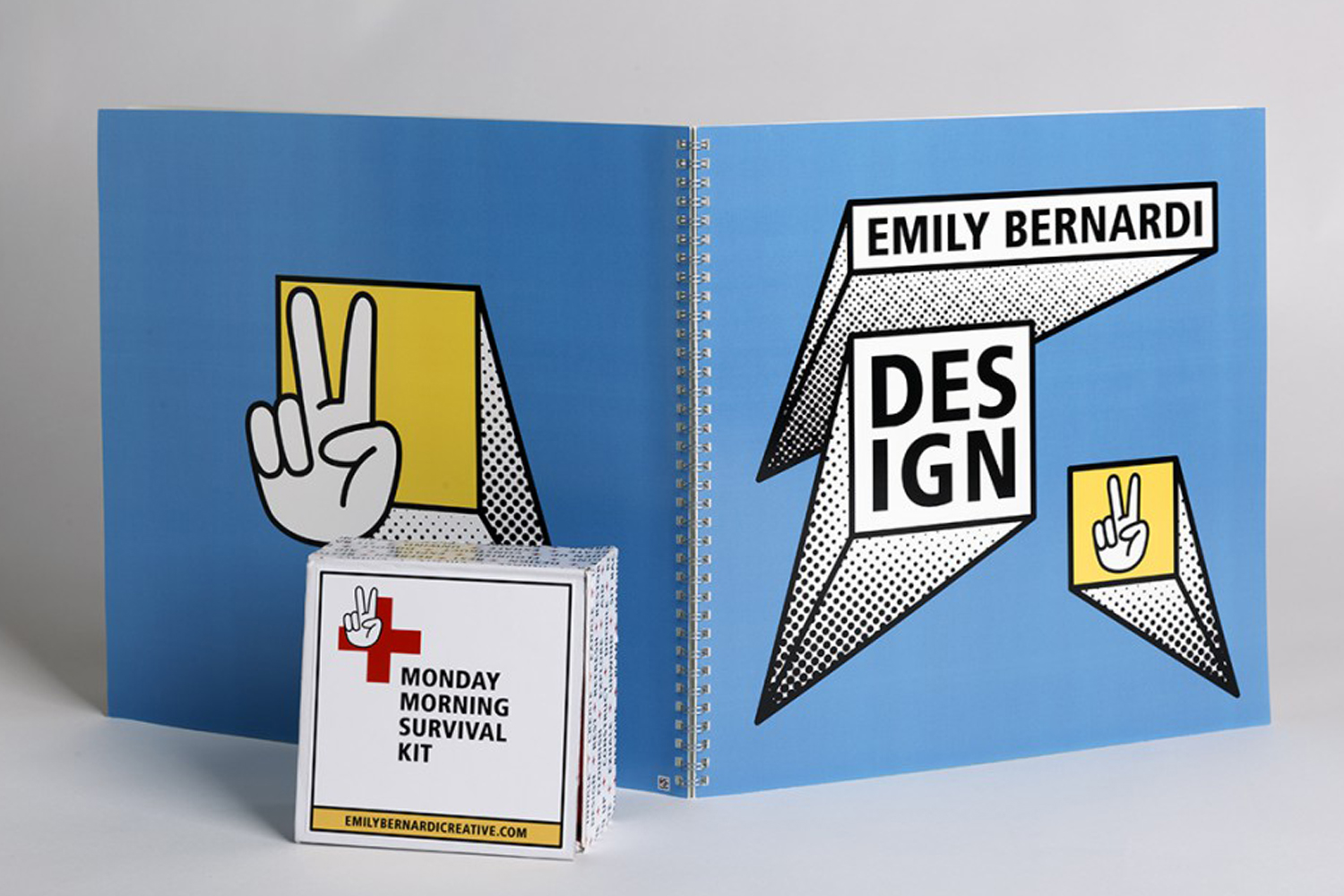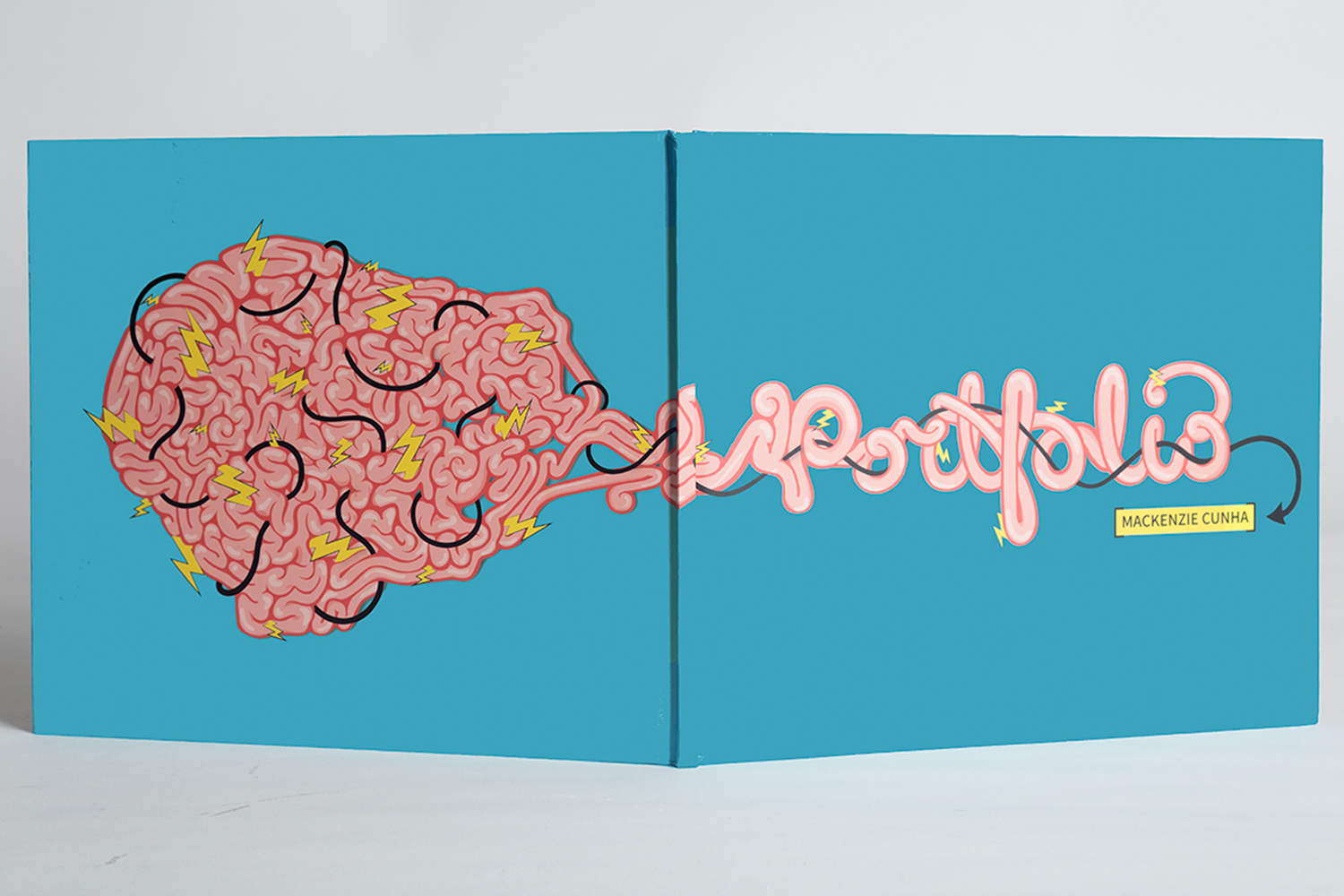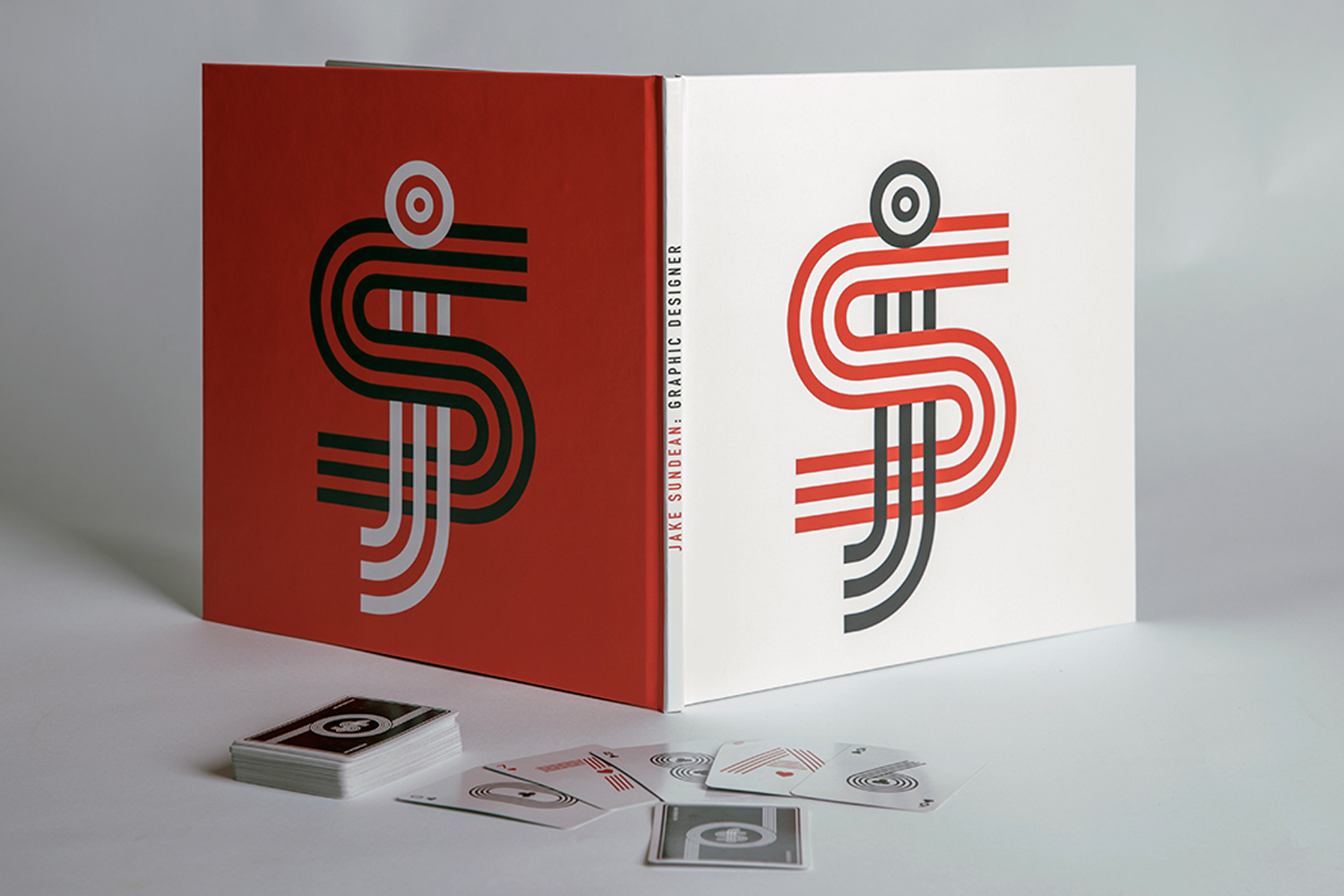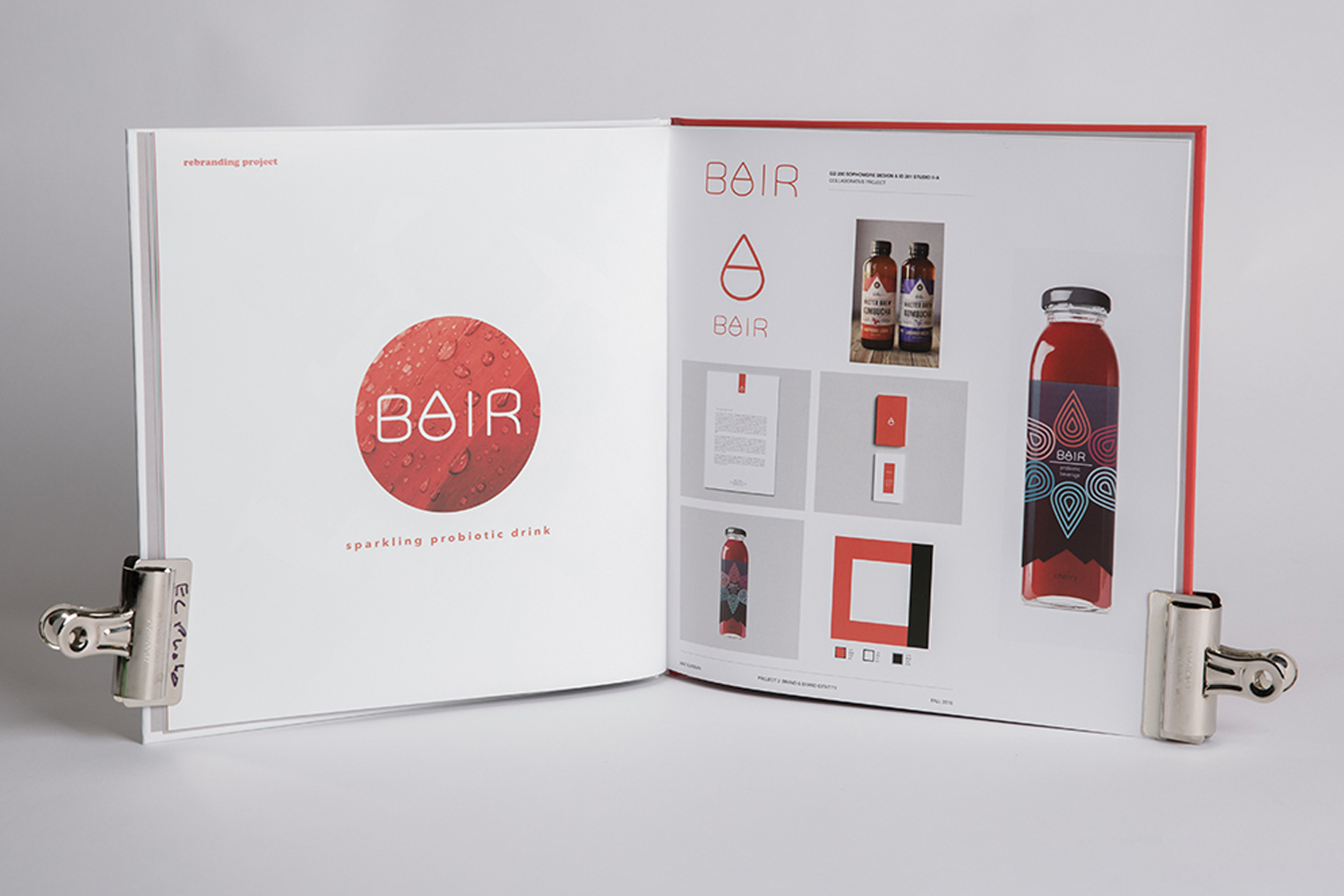
Brand Attributes
Posted in Articles by D. Currier | Tags: brand, brand identityHow to Identify Key Brand Attributes
However you come to determine your brand qualities (for more info about this click here), you will want to narrow down your list and focus on about three to five descriptive words. Choose qualities that best represent your unique capabilities and attitudes. Think about how you would envision translating these qualities into a more tangible ” look and feel. ” Try to choose brand qualities that will lend themselves to creating a more focused, positive, and memorable impression that distinguishes you. Words like – witty, vintage, bold, intense, organized, daring, confident, imaginative, reflective, quirky, experimental, retro, edgy, outgoing, enthusiastic, focused, classic, raw, poetic, creative, playful, and wacky, are some choices you could use to describe your style.
Brand Statements
A brand statement (sometimes known as a brand position) is a single statement that communicates quickly and succinctly the core values of an individual or company as they relate to its strategic positioning within a particular industry.
Personal brand statement: A single sentence that strategically promotes who you are, what you stand for, and what you’re best at. It is a difficult process to develop such a statement as it challenges you to focus on your strongest positive attributes and then have the confidence to state them clearly and concisely. Be forward-thinking—take a stand, focus your message, and set yourself apart. A targeted message is guaranteed to make you more visible and memorable. Don’t worry about including all your talents and skills in this statement. You shouldn’t include everything you can think of—this will only water down your message. Besides, there is a baseline level of skills and experience that should be true of most people in your industry. Such expectations should be demonstrated through the actual work in your portfolio. Your brand and subsequent portfolio design should, however, go above and beyond a generic description and focus on what makes you special. It’s better to be targeted and have something more unique to say than to be too generalized and like everyone else. Your brand statement will be used as a guide, a touchstone, in the expression of your portfolio concept and design. A personal brand statement can also provide the basis for the development of a visual identity if you decide to create one.
Sample statement:
I am a [state professional title (photographer, graphic designer, illustrator, etc.)] with strong (amazing, leading, etc.) skills in [list core skills] who is [list brand attributes (qualities)].
Exercise: Brand Book
Need help? Think about your brand like you’re telling a story about it—one that captures the essence of who you are as a creative professional. In advertising, most brands have a “brand book” that tells their story.
A brand book is the story and personification of a brand—its ethos. It answers the questions: What does a brand sound like? Feel like? Look like? What’s its purpose? Its mission? How is it different from its competitors? What’s its unique personality and characteristics? How does it think and perceive the world? How does the world perceive it? Through visual elements and copy a brand book tells its Story—written in the first-person narrative form as if the brand (or company it is representing) is speaking. – Christine Pillsbury, Creative Director, Beam Interactive and Relationship Marketing
loading...
Simple Messages/A Unique Approach by Alexander Kara
Posted in Print Portfolios / Promos by D. Currier | Tags: brand, poster, self-promoThis promotional campaign by designer Alexander Kara really caught my eye. The stark simplicity of the black text as bold message on a white background makes reference to the power of advertising copy and a simple poster – brought to life in the context of a more subversive “post no bills” propaganda style environment. The final promotional poster is also visually intriguing and certainly represents a unique conceptual idea.
When I asked Alexander about the project, this is what he had to say:
The aim of the project was to produce more than just a business card; an idea of collaboration between client, designer and the world around us, we need all these components to create an appropriate and successful design. The poster series was to display how simple messages can be effective in the world, in turn, enforcing the original concept.
Stickers were used for my contact details, for a practical and economic sense; my details (and i’m sure many other designers) tend to change (address, phone number), therefore this approach will ensure that the cards have a longer lifespan than a traditional approach.


business cards – front

hand-trimmed stickers

self-promo poster

Website: http://aprop.wordpress.com/
loading...
Developing a Brand Statement – Discovery
Posted in Articles by D. Currier | Tags: brand, brand statementExcerpt from “No Plastic Sleeves: The Complete Portfolio Guide for Photographers and Designers”, Chapter Two: Branding.
“You now have to decide what ‘image’ you want for your brand. Image means personality.” – David Ogilvy, Founder Ogilvy & Mather, Infamous Advertiser
Defining Your Own Brand Attributes
A good place to start thinking about your own brand statement is by reflecting on the work you’ve done, the person you are, and the creative professional you want to be. In order to do this, there are some key questions that you should ask yourself. Write down the answers that you come up. Trust yourself and listen to your intuition throughout this process. You should also think about getting the opinions of others whom you trust. Ask colleagues, faculty, clients, fellow designers, photographers, artists, etc., how they would characterize the work you do and the creative person they perceive you to be. Ultimately, you want to focus in on descriptive key words — adjectives and adverbs that can begin to define your own unique brand statement.
Reflect on Your Work
Ask yourself some key questions:
● What kind of work do you like to do?
● What kind of work do you do best?
● Was there a particular project that you really enjoyed working on?
● How would you define your talents and skill set?
● How would you describe the styles, forms, and concepts with which you prefer to work?
● How would others describe your talents and the work you do? (If you don’t know, ask.)
● What does your body of work say about you?
● Is there something missing from your body of work that you think you need?
Reflect on Yourself and Interests
Ask yourself some key questions:
● How would you describe yourself as a creative professional?
● How would you describe yourself in general – your personality, work ethic, beliefs, etc.?
● How would others describe you? (If you don’t know, ask.)
● Are these qualities communicated through any of the pieces you’ve worked on?
● What do you have to offer a company or client?
● What types of experiences engage you?
● What do you find most interesting about the world around you?
● What do you find most interesting about photography, art, and/or design?
● Whose work influences, attracts, and inspires you? Why?
Reflect on Your Future
Ask yourself some key questions:
● What kind of work do you want to do?
● What kind of creative do you want to be?
● Are you doing the kinds of things now that you want to be doing in the future?
● I f not, how can you position yourself to get to where you want to be?
● What kind of company or client do you want to work for?
● What kind of company would fit your lifestyle? Are there compromises you are willing or not willing to make (travel, moving to a different location, long hours, etc.)?
● Where do you see yourself in one, two, or five years?
● Is there someone in the field who you admire? Would want to emulate? Why? How did they get to where they are?
This is your opportunity to invent yourself for the first time, or reinvent yourself all over again. Think about where you’d like to be two years from now. How about five or ten years? People change jobs and even careers often throughout their lifetime. Now is the time to think about what you want out of your career.
“By defining what you show based on what you truly are and what you want to do, you create a self-selection process: you are not for everyone. You are different. Be courageous enough to show that you see in a way no one else does.” — Doug Menuez, Photographer, Editorial Photo – See full article here
Coming Up Next: How to write your “Brand Statement”
loading...
About Brand
Posted in Articles by D. Currier | Tags: brandExcerpt from “No Plastic Sleeves: The Complete Portfolio Guide for Photographers and Designers”, Chapter Two: Branding.
The primary function of your portfolio is to present a collection of your best work in order to communicate your experiences and capabilities, in hopes of securing a position or client. While this purpose cannot be forgotten, your portfolio can also be taken much further. It can become a quintessential marketing piece in and of itself. In doing so, it has the potential to make a more impactful and memorable impression on its intended audience. Your ability to develop ideas and market yourself is not only relevant to working in the creative industries, but it can provide a much-needed advantage in such a competitive field. This is especially important for students and recent grads who have not yet had as many opportunities to distinguish themselves in their careers.
How do you move from an assortment of work to a clear and concise brand statement?
How do you utilize a process of self-discovery to create a brand statement that can be used as a touchstone in the creation of your entire portfolio package?
First , consider where you are in this process.
- If you already have a clear concept or idea for the direction of your portfolio: Reflect and evaluate upon this idea as it represents and positions you within your field. Developing a brand statement can’t hurt — the clearer you are about how to position yourself within the industry, the better you’ll be able to do just that. Keep in mind (especially for those of you who do not have a design background) that you can develop a brand statement without developing a corresponding brand identity.
- If you already have a brand and corresponding brand identity: It may be time to analyze your current brand’s strengths and weaknesses, refreshing or changing it if need be.
- If you don’t know what to say and/or how to say it: Begin with a process of self-discovery, defining and shaping your brand position. The work in your portfolio may not be enough to take you where you want to go. While it’s difficult to define something, let alone oneself, in the long run it will help you to have a statement that you can use as a touching point in the development of your portfolio design.
A brand is an attitude. It is a symbolic statement comprised of descriptive qualities that aim to express the heart and soul of an individual, organization, or product. These qualities are typically defined by a set of brand attributes — a list of descriptive words and phrases that have the power to describe style, tone, and personality; establish connections and associations; and shape emotional reactions. Brands attempt to project certain expectations and promises in the hopes of establishing an emotional and intellectual connection with their target audience. Truly successful brands are able to deliver on those promises through the value that the individual or organization provides. Such brands express and establish a specific attitude that is identifiable throughout their particular market.
Think about the clothes you wear, the music you like, and the products you buy. Among all of these things you have choices you make based on certain attitudes and qualities that appeal to you. In some ways, these things even go so far as to defi ne aspects of who you are and the broader culture that you belong to. The most successful brands often become timeless icons of culture — think VW, Coca-Cola, MTV and Apple.
A strong brand should:
- Differentiate: Stand out from your competition.
- Be authentic: Communicate a message that is relevant and
meaningful to your intended target audience. - Be memorable: Consistently communicate a clear and concise
message.
Coming Up Next: How to develop a “Brand Statement” – Self Discovery
loading...
Promotional Gift by Photographer Michael Winokur
Posted in Print Portfolios / Promos by D. Currier | Tags: brand, Holiday Promo, self-promoPromotional Giving
Giving can be a great way of promoting oneself. Whether it’s a special event (like moving into a new office) or an anniversary (like 10 years in business) or a holiday, each of these moments presents a reason to get in touch, reconnect and get noticed. Targeting a few select clients (depending on budget) with a creative and personal gift will leave a lasting impression and ensure that you’re remembered next time a project comes up. Creative appreciation and thoughtfulness can go a long way towards re-establishing relationships and/or creating new connections with clients and other business associates. So, next time, don’t just send a postcard, see if you can go a step above with an inexpensive DIY promotional gift. Speaking of which, check out the following promotional gift by Michael Winokur.
Promotional gift by photographer Michael Winokur
“I love my clients, most are friends and all are creative collaborators. Each year I pick something that I can brand and give to them. This year I chose the Sharan SQ35 pinhole camera which happens to be sold by my friend Doug’s company Noted. The Sharan camera is a cardboard kit with a pinhole lens that makes square images on 35mm film. Since the kits take about an hour to build I figured none of my clients would build them – so I assembled all 25 cameras, packaged them with film and decorated them with custom “Winokur Photography” stickers. In previous years I’ve given “private label” wine. Since this year’s gift was so much more labor intensive than the wine I had to keep the list quite tight. The cameras went to my current clients and some very special dream clients. ” – Michael Winokur
http://www.winokurphotography.com/


More about this project can be found on Michael Winokur’s blog. Special thanks to Neil Binkley at Wonderful Machine for first sharing this project with me.
loading...
Frank Fellow Award Self-Promotional Brand System
Posted in Print Portfolios / Promos by D. Currier | Tags: brand, self-promo, typographyFrank Baseman is an AIGA Fellow and Principal of Baseman Design Associates. He is also an Associate Professor and Interim Director of the Graphic Design Communication program at Philadelphia University (www.philau.edu/designandmedia).
About the Project
“Upon receiving the AIGA Fellow Award from the Philadelphia chapter of AIGA (American Institute of Graphic Arts, the Professional Association for Design) I produced a Self-Promotional Brand System that I could send to Clients and Prospects to commemorate this momentous occasion. The Brand System included a Brochure, Poster and Notecard, and played with the alliteration of the two “F”s in Fellow and Frank. For the Brochure Cover and Poster I made a collage of “F”s from old Victorian typefaces, as well as from Circus and Sign cuts, and produced a 20-page plus Cover, saddle-stitch Brochure that highlighted thirteen projects produced by Baseman Design Associates through the years. To economize, the outer wrapper of the Brochure was printed at the same time–on the same sheet–as the Poster. Read more »
loading...
Submit Your Portfolio or Promo Piece
Pages
Recent Posts
- Promotional magazine by commercial and editorial photographer, Mark Peterman
- Portfolio of Daniel Bulli
- USB Drive promo
- On Press with Dan Busta
- And The Winner Is….
- Limited edition hand-bound book by Colin Michael Simmons
- Design Assignment: Create Your Own Manifesto Book
- Enter Drawing to Win Free Copy of our Book
- Interview with Melissa Hennessy of Hennessy Represents
- Noah Webb’s Passport Book
Check it out!
Some Favorite Online Spots
Polls
Tags
What you have to say
- Stephen on Promotional magazine by commercial and editorial photographer, Mark Peterman
- Alison on Brand Attributes
- Interview with Melissa Hennessy of Hennessy Represents « No Plastic Sleeves on Scratch & Sniff Promotion Campaign & Video
- Frank on The Website of Photographer, James Quantz Jr.
- Brand Attributes « No Plastic Sleeves on Developing a Brand Statement – Discovery